









Digital Assets
Infrastructure connecting traditional and digital ecosystems.
BNY Institute
Sail Beyond the Surf
At the Table with BNY Experts
Time to Read: 15 minutes
The accumulation of conflicting economic signals and shifting policy regimes often complicates a clear path. Over the past year, global markets have seen a series of shocks related to trade and immigration as well as fluctuating fiscal and monetary policy. However, our recent discussions suggest we are moving beyond the breakers into calmer seas and renewed economic momentum.
The year opened with an active newsfeed, but our analysis has primarily focused on the widening gap between corporate health and traditional labor market indicators. Corporate earnings remain strong and resilient, but consumption may eventually slow if the weakening labor market does not recover. As we try to reconcile a strengthening economy with a soft labor market, we are examining the potential risks to our outlook.
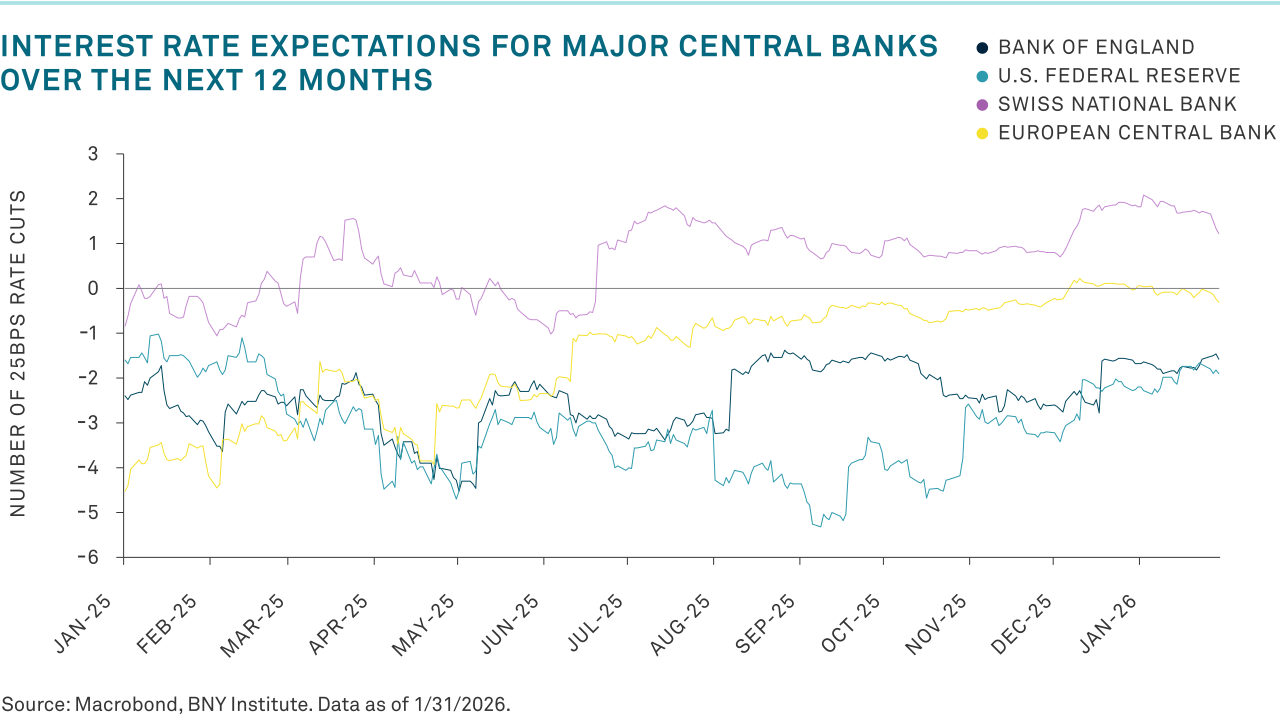
Divergence in central bank policy continues to be a defining discussion point. After easing in late 2025, we think the U.S. Federal Reserve (Fed) is in wait-and-see mode, waiting to see the lagged effects of its recent easing, the outcome of Supreme Court decisions and possible changes to the composition of its board. In contrast, the recovery in Europe remains uneven as fiscal dynamics differ by country, leaving the European Central Bank (ECB) on hold. As major central banks around the world continue to move in different directions and on different timetables, it is creating wider dispersion in yields, curves and currencies.
BNY Institute brings together some of our most senior, experienced investment and market experts to debate trends, challenge assumptions and surface directional views on markets and asset classes. This report — the output of our first-quarter meeting — offers you a seat at our table, sharing the disciplined analysis and diverse perspectives that shape our thinking. By looking past the surface-level noise and understanding the currents of this structural swell, we help our clients chart a confident path to get beyond the surf in today’s complex markets.
The U.S. economy has remained resilient, supported by steady consumer spending, and our expectation for 2026 growth remains positive. We think the One Big Beautiful Bill Act (OBBBA) will boost disposable incomes, business investment and CapEx. When also considering improving small business hiring, it points to healthier momentum ahead.
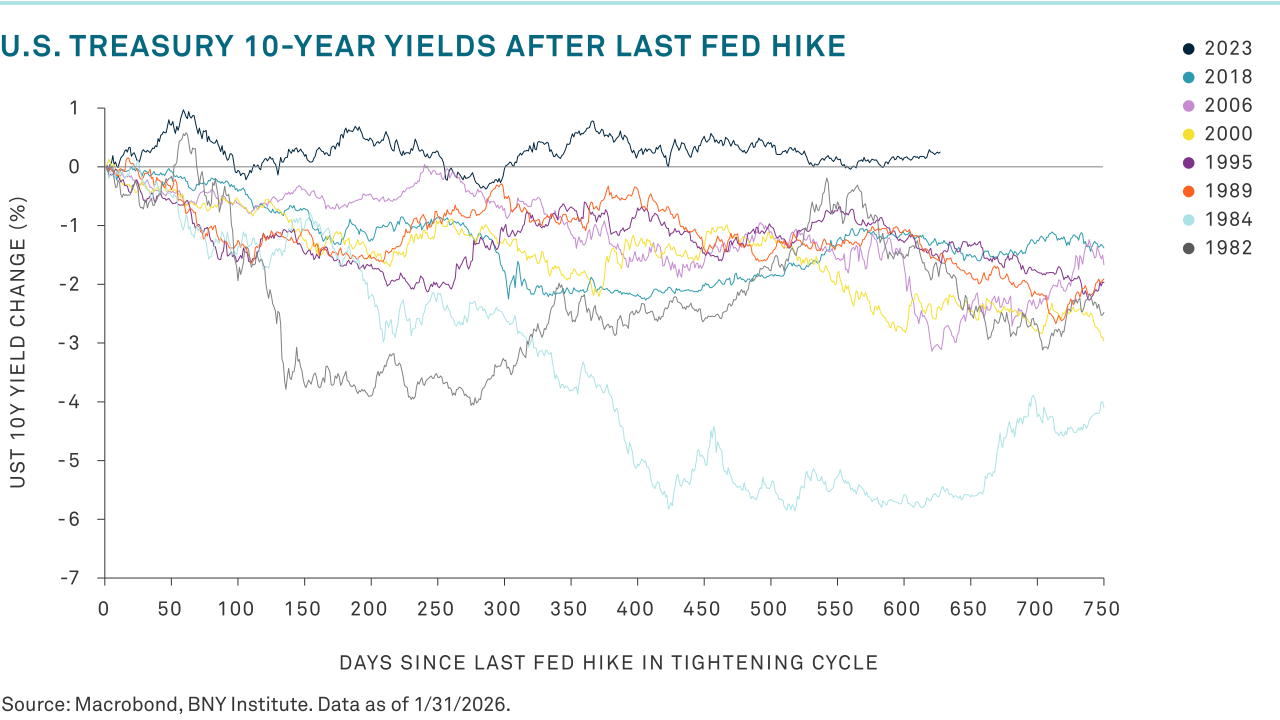
On the back of a softer labor market, 2025 closed with three consecutive 25 bps rate cuts. An expanding economy suggests less downside risk, which could mean a balanced approach from the Fed going forward. Policy direction will ultimately depend on personnel changes expected throughout the year.
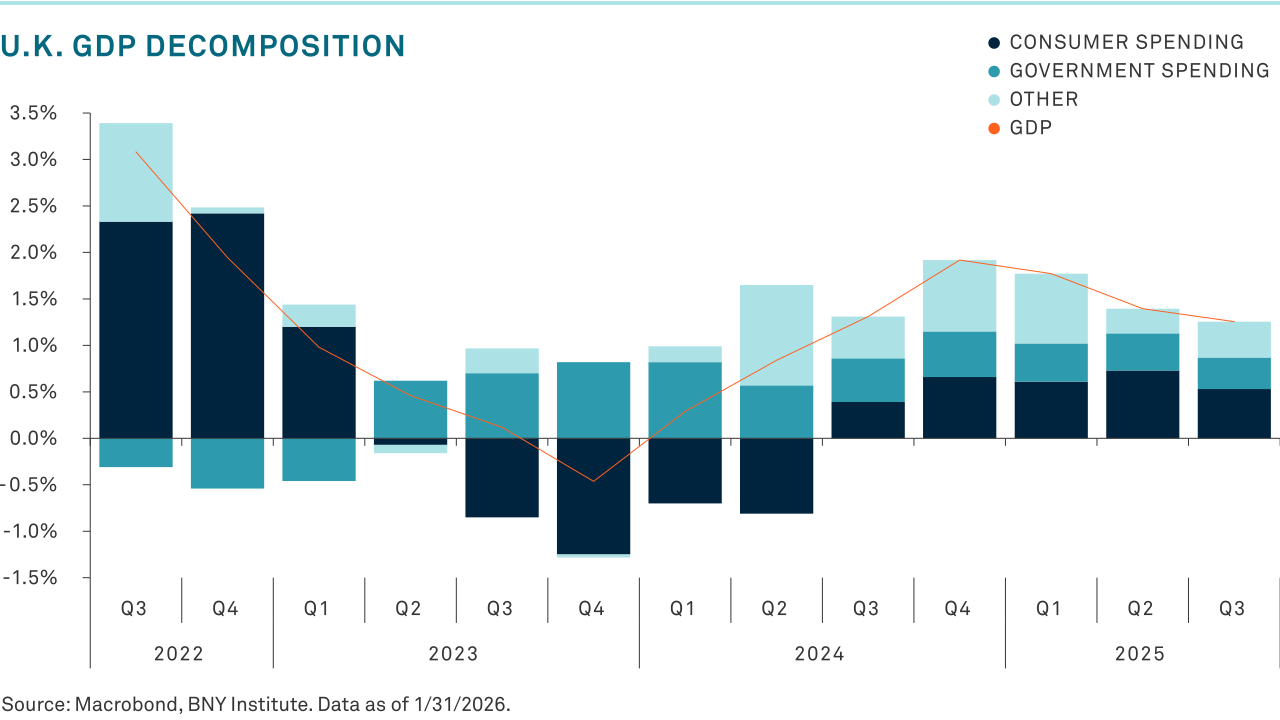
Recent data points to modest quarter-over-quarter GDP gains and improving momentum, supported by less uncertainty and increased public spending on infrastructure and housing.
The private sector still faces headwinds from soft retail demand, restrained business investment and a gradually easing labor market.
The Bank of England (BOE) cut rates four times in 2025 to stimulate growth, and while inflation remains above target, a softening labor market and lackluster growth may prompt additional cuts. Even though the Committee is divided and cautious in the new year, we expect two more cuts in 2026.
Lagged effects of the ECB’s 100 bps rate cuts in the first half of 2025, supportive fiscal policy and solid corporate fundamentals set the stage for a cyclical upswing in 2026. Additionally, improvement in rate-sensitive sectors could broaden in 2026. An increase in consumption due to declining household savings, as well as stronger infrastructure and defense investment, could provide further impetus for growth. Conversely, ongoing manufacturing softness, tariffs, potential delays to fiscal spending and lack of AI-related CapEx could weigh on growth.
Given the scale of recent cuts, the ECB’s wait-and- see approach is prudent. Weaker energy prices, a stronger euro and further declines in Chinese import prices could also drive rates lower.
Solid business confidence and improving household spending support Japan’s growth outlook. However, stringent rare earth restrictions from China could hamper manufacturing conditions. Expectations for further fiscal expansion have boosted equities and pressured the Japanese yen and government bonds.
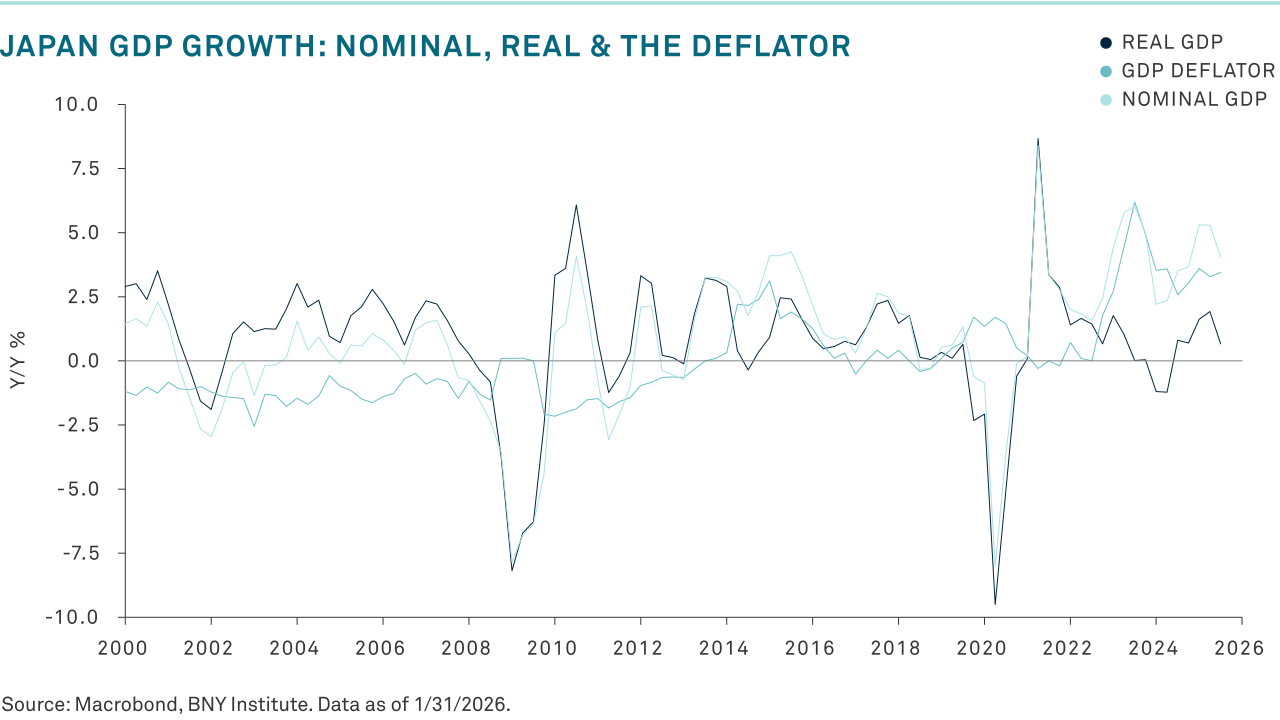
While the tightening cycle is ongoing, the Bank of Japan (BOJ) raised its policy rate to 0.75%, the highest level in three decades. The central bank action failed to halt the yen’s slide, so continued FX intervention risks remain. Even though government bond yields have risen, the (tenor-adjusted) average cost of funding Japan’s large public debt remains lower than nominal GDP growth, stabilizing Japan’s debt-to-GDP ratio and reducing near-term sustainability risks.
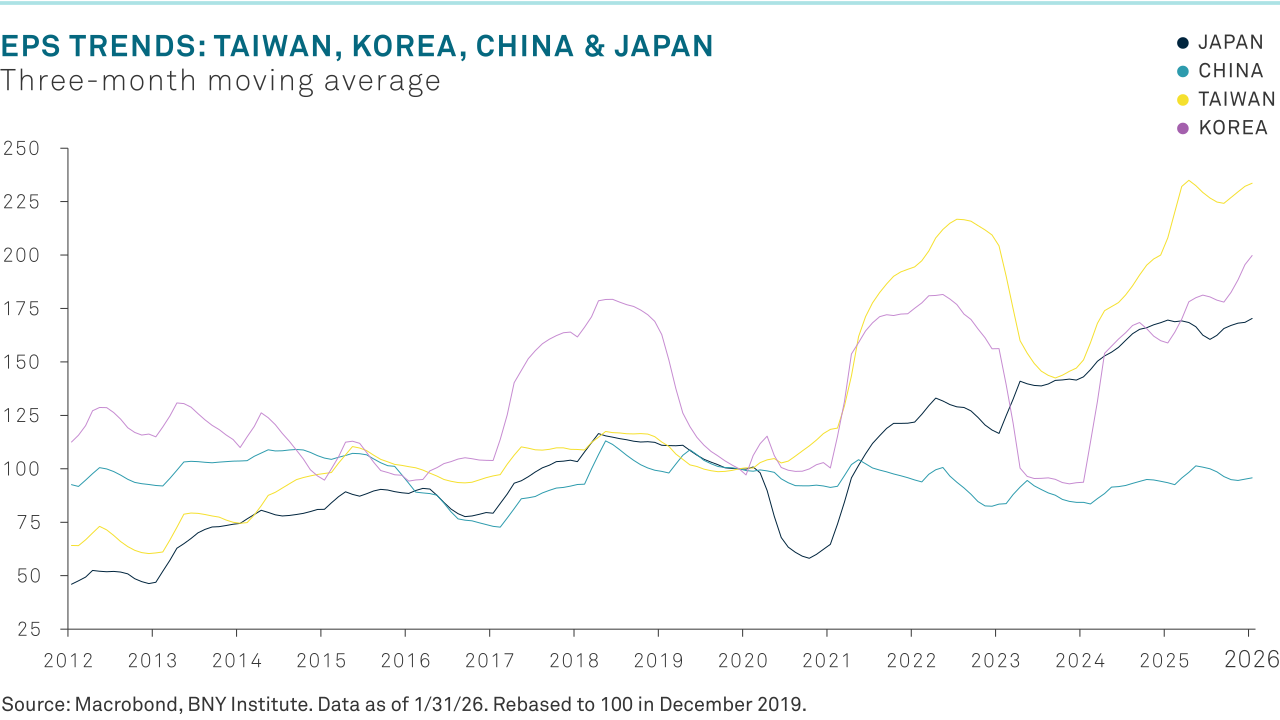
Strong technology demand, early export front loading and improving forward earnings support growth. While global AI demand is expected to remain a key tailwind, evolving U.S.–China trade strategies increase supply chain risks. Overall, current account balances are still holding up on subdued oil prices and improving net trade positions with the rest of the world.
Asian central banks delivered meaningful monetary easing as inflation softened and the U.S. dollar weakened. However, amid upside economic and earnings surprises, further rate cut expectations are waning, with Japan as the key outlier.
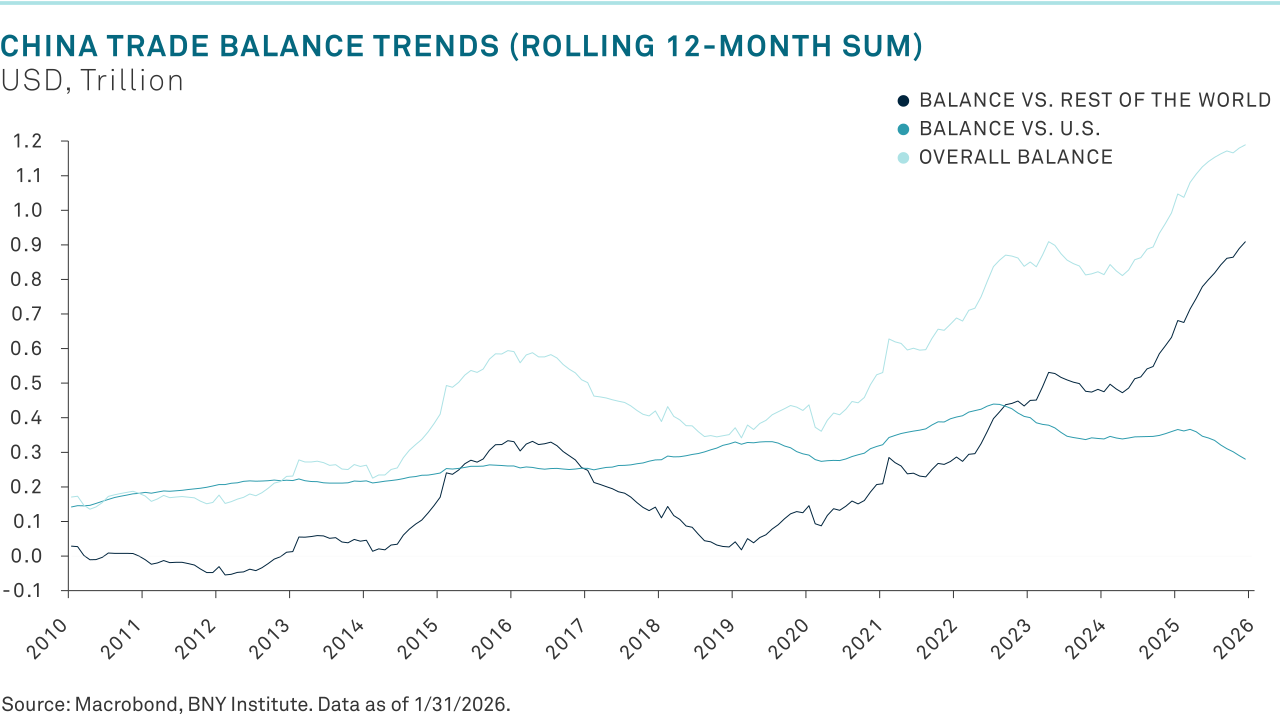
China’s growth mix has shifted toward manufacturing and exports. While U.S.-bound shipments declined, China’s penetration in non-U.S. export markets accelerated. Overproduction, however, is resulting in persistent deflation. Additionally, an adverse wealth effect from lower real estate prices is slowing loan demand and blunting credit easing.
Policymakers are balancing cutting capacity to stabilize prices against stimulating industry to meet growth targets, which could deepen deflation. With ample central bank liquidity, additional easing is likely to support further fiscal policy stimulus in 2026. However, a long-term solution to increase household consumption and domestic absorption of manufacturing output seems hazy.
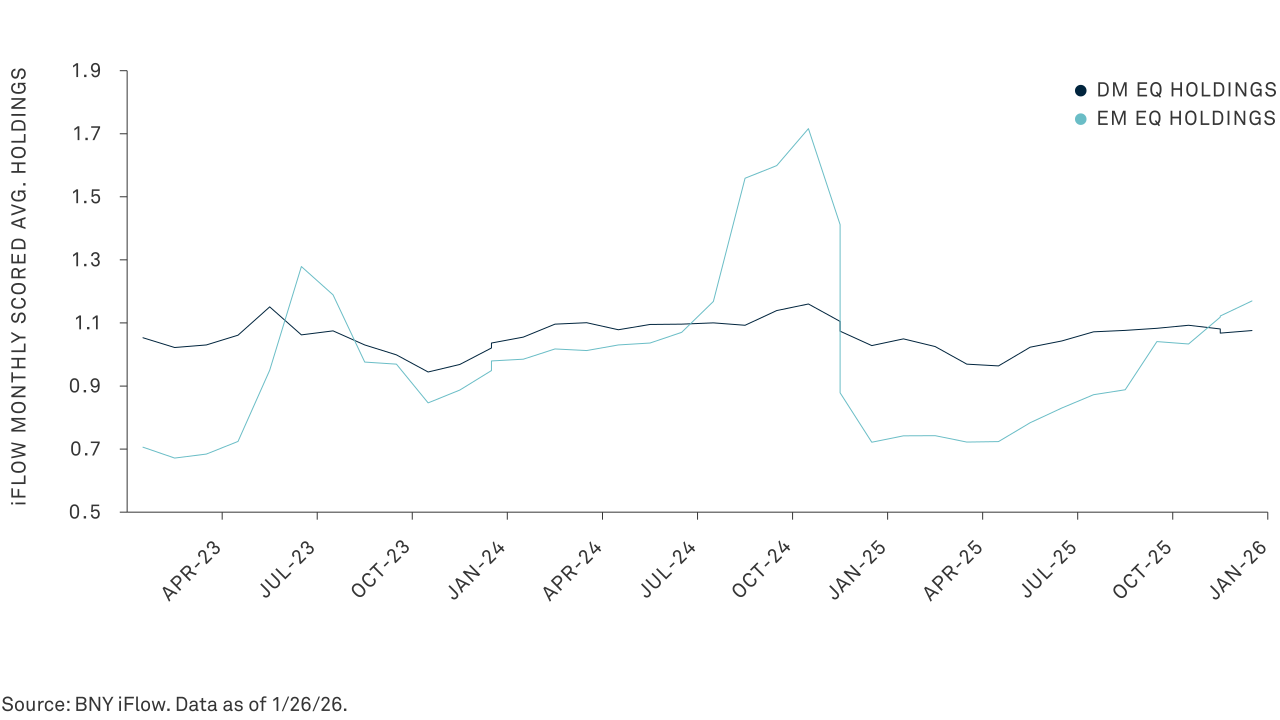
Strong AI-related CapEx, resilient semiconductor demand in APAC and rising metals prices are underpinning terms of trade for many emerging economies. Increasing foreign direct investment from global multinationals and Chinese private firms is likely to create new opportunities and offset lingering tariff drags or trade imbalances. Geopolitical and domestic political disturbances remain risks, but many emerging market countries have improved policy credibility.
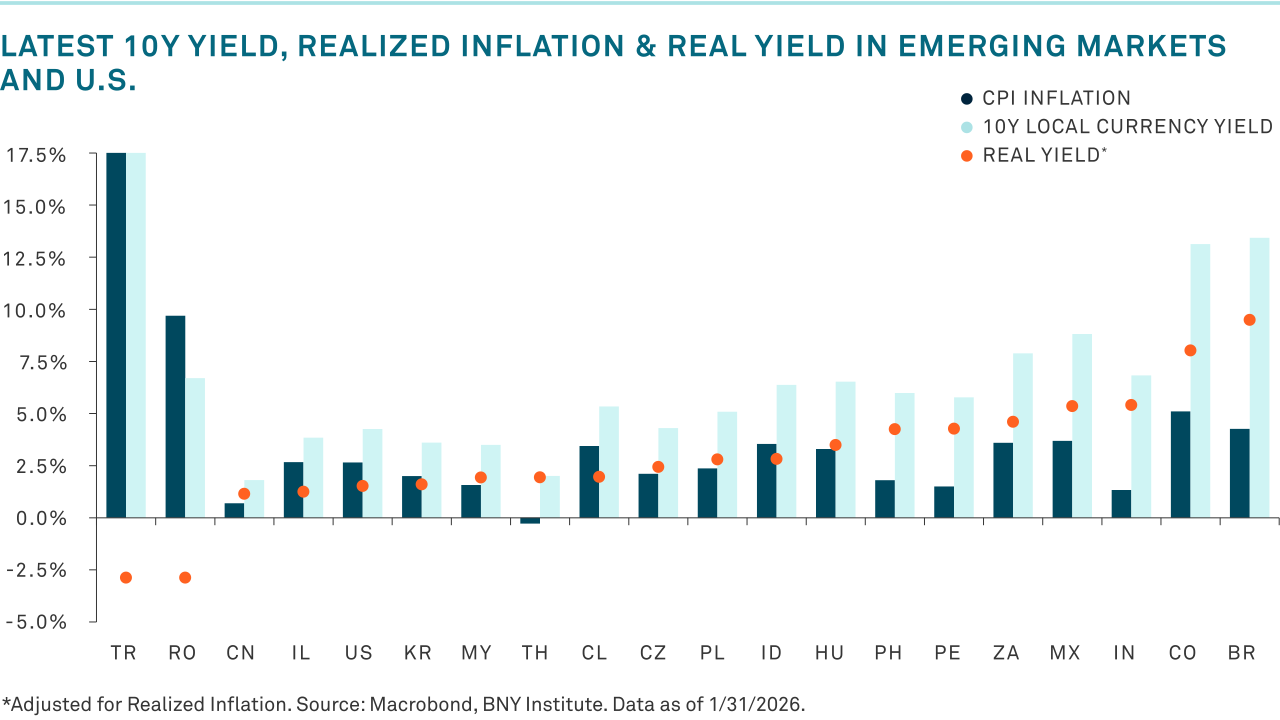
Emerging market inflation has continued to ease on high real rates (adjusted for realized inflation), reduced energy costs and the weakening U.S. dollar. Inflation has likely bottomed in most APAC economies but is poised to decline further in Latin America and EMEA.


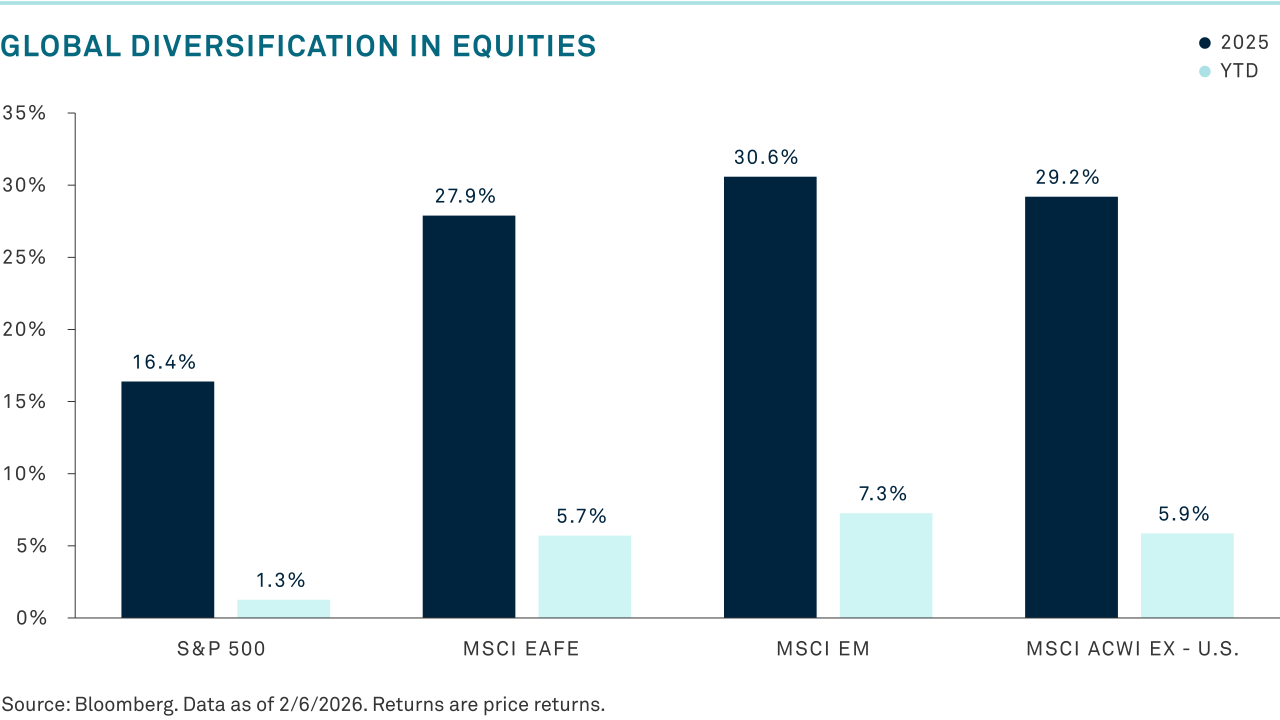
Alicia: Earnings are increasing globally and broadening beyond big tech in the U.S., which has led to a cyclical rotation that we think can persist in 2026. International stocks, which carry a larger weight in cyclicals compared with U.S. large cap equities, have continued to outperform with MSCI ACWI ex-U.S. up 8.7% since November. This outperformance has been led by value, up 13.5% — more than triple growth's return of 4%. In the U.S., cyclicals have also led since November, with small caps (7.7%) and value (6.3%) beating the S&P 500’s 1.3% gain, while the Mag-7 (-5.6%) and growth (-2.8%) lagged.
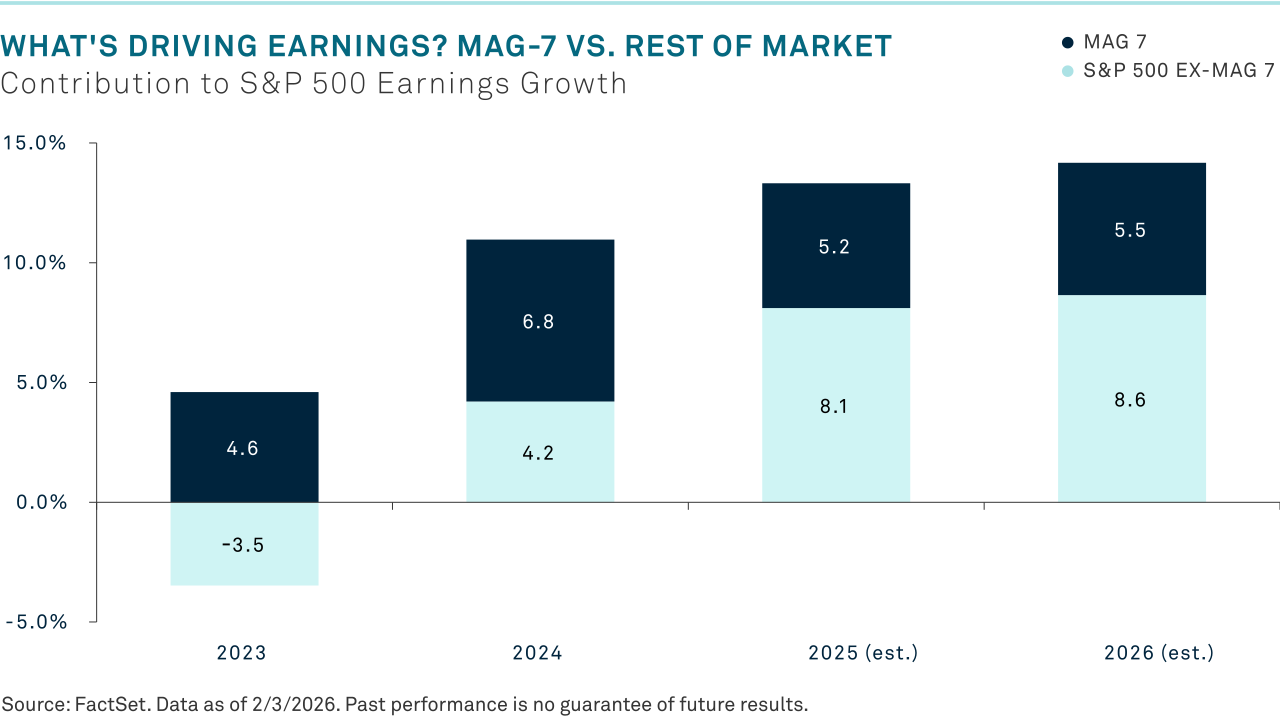
S&P 500 earnings are expected to grow almost 14% in 2026 with the rest of the market outside the Mag-7 remaining the key driver — a trend that has steadily increased in the last several years. Positive earnings revisions are also increasing and led by U.S. small caps while Europe is expected to deliver 10% earnings growth for the first time since 2022.
Alicia: While the elevated level of price-to-earnings ratios (PE) can be justified by higher profitability over time, we think the potential for further multiple expansion to drive markets higher is limited. The contribution to annual S&P 500 returns has shifted in the last several years from multiple expansion to earnings growth, a trend we expect to continue. In 2023, PE expansion accounted for more than 70% of the S&P 500’s ~24% return. However, in 2024 and 2025, the largest driver of returns was earnings growth, which increased from 55% to 85%. For more cyclical areas of the market, such as value, small caps and international indices where valuations are lower, both earnings growth and higher multiples can contribute to continued appreciation.
Bob: Ultimately, U.S. equity performance will hinge on earnings delivery and the extent to which AI adoption drives margin expansion and productivity gains. While we expect the U.S. dollar to weaken further in 2026, it has remained range-bound despite increased hedging activity. Outside the U.S., the top 20 non-U.S. market-cap leaders are modestly outperforming the Mag-7, suggesting factors beyond currency weakness may shape equity leadership in 2026.
Alicia: Multiples remain elevated and could decrease if we get further rotation out of tech or the highest multiple names into cyclicals, or if the current constructive outlook weakens. In the U.S., the Fed’s leadership transition, Supreme Court decisions on tariffs and 2026 midterm elections will shape expectations for monetary, fiscal and regulatory policy and could lead to a pickup in volatility. Inflation remains sticky and elevated globally, which could keep monetary policy tighter for longer than current market expectations. If the global economy remains resilient and reaccelerates in 2026, inflation could increase, leading to higher yields and potentially tighter, not easier, central bank policy.
Weaker-than-expected returns on AI-related CapEx could dampen enthusiasm for tech and lead to lower valuations, especially since tech carries the largest weight in the S&P 500. While we remain constructive, the degree of difficulty for the market to rise in a linear fashion compared to the last several years has increased.
Alicia: 2025 was a year of historically elevated policy uncertainty, low sentiment and growth concerns. The average U.S. Economic Policy Uncertainty Index in 2025 was the highest on record while more than half of the 10 worst University of Michigan Consumer Sentiment readings occurred last year. Market-implied U.S. recession odds peaked at 64%, yet consensus now forecasts above trend or 2.4% growth while the global economy is estimated to expand 3.0%, which is in-line with the prior 10-year average. All this to say, economic growth has remained resilient, more than expected.
On a related note, markets track earnings, not headlines. In this environment, focusing on fundamentals, filtering out the noise and remaining invested and diversified can help investors win. Like growth, earnings were better than expected in 2025, leading to positive equity returns. In addition, equity returns were widespread across regions, highlighting the importance of global diversification. Investors who remained invested earned 16.4% from the S&P 500, while missing just the 10 best days pushed returns into negative territory, down 12%. The best days typically occur during periods of heightened volatility, and the top months each year usually happen after the worst.
In our 2026 outlook, we introduced a framework to quantify AI diffusion across global markets, moving beyond headlines focused on a handful of large technology firms to help investors identify diversified sources of AI-related return and reduce concentration risk.
While hyperscalers continue to fund large-scale AI investments and data center capacity remains exceptionally tight, the market is increasingly recognizing that the next leg of value creation extends beyond tech. As AI buildouts scale, second-order beneficiaries, particularly in infrastructure, energy and other supply chain bottlenecks, should come into sharper focus.
Equally important are companies that can convert AI adoption into margin expansion. Here, distinguishing productivity gains from value capture is critical: productivity without pricing power rarely delivers durable profits. We view firms with durable sources of market power (e.g. physical assets, regulation, networks) as well-placed to retain more of the gains, including financials and selected industrials.
In our view, the data are starting to validate our expectation for this framework. Sector performance has indicated that AI-related value capture is already extending into non-tech areas — early evidence that the breadth of the theme is being priced beneath the surface. With productivity growth picking up, particularly in the U.S., we see an opportunity for investors to allocate more to those second-order beneficiaries who are starting to capture value from this productivity.
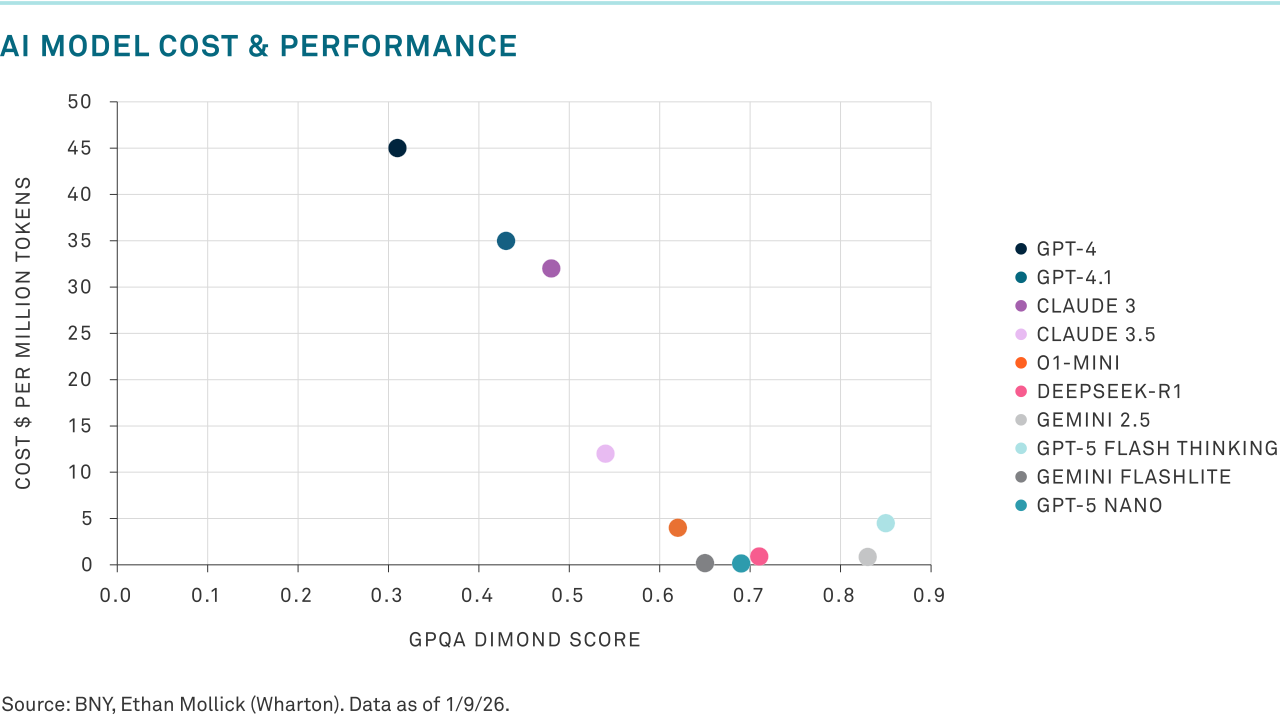
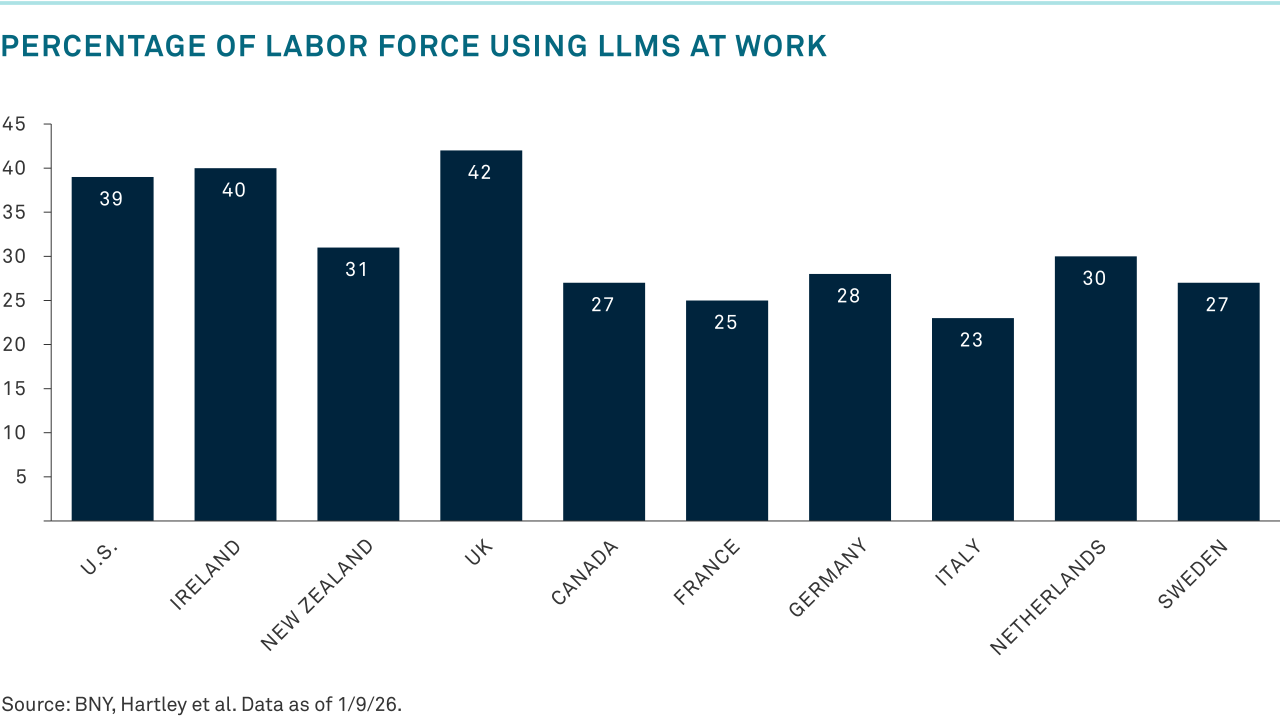
Adoption is also spreading outside the U.S. The cost of AI inference continues to decline as model performance improves, expanding accessibility. Meanwhile, the share of the labor force using AI at work continues to grow, signaling rising penetration and steadily declining barriers to usage. This matters most for regions leveraged to adoption rather than buildout; Europe is a prime example, where earnings upside comes from business model transformation rather than capital intensity.
The ongoing increase in global AI adoption also supports selected EM, which play a key role in supplying essential inputs and manufacturing capacity to meet the demands of increasingly inference-heavy AI workloads.
Against this backdrop, the investment challenge becomes one of balance: maintaining core exposure to leading AI platforms in the U.S. while broadening allocations to sectors and regions poised to benefit from rising adoption and pricing power. With valuations in large technology firms already elevated, highly concentrated portfolios may face increased volatility. Conversely, diversified exposure to sectors positioned to capture incremental AI-driven value can help expand return potential and reduce concentration risk in 2026.
Disclaimer
BNY Institute content provides thought leadership and is not investment research. Views are the authors’ and may change. This material is for informational purposes only and does not constitute investment advice or an offer. For full disclosures, click here.