Investments
Delivering global expertise and solutions for investors.
BNY Institute
6 for 2026: One Month In, What’s Changed?
Time to Read: 6 minutes
In November, we published our 2026 macro outlook centered on six essential questions shaping the investment and market landscape. We highlighted a dynamic backdrop: uneven but resilient growth, technology driving productivity with profitability still being tested and interest rates diverging across regions. One month in, markets remain multi-dimensional. Returning to these same questions — and staying anchored in data — helps cut through the noise and focus on where risks and opportunities are shifting.
Our constructive view on growth and the maintenance of this balance remains intact, supported by easing monetary policy and increased fiscal support, particularly in the U.S. and Eurozone. Structural tailwinds — including robust corporate earnings and AI-related capital expenditure — continue to underpin our outlook.
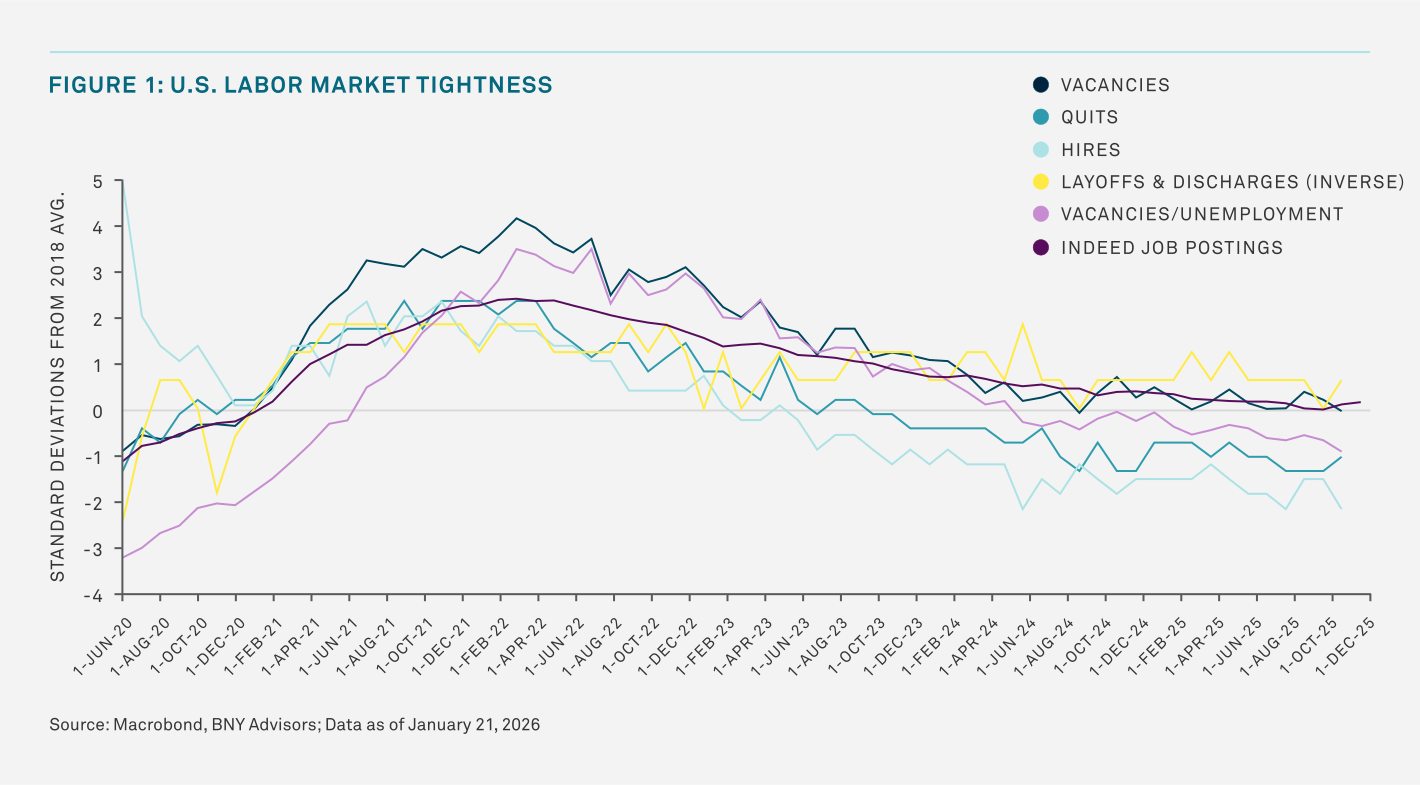
What to watch: the U.S. labor market. Despite several high-profile layoff announcements, the overall layoff rate was largely stable in 2025. However, hiring remains subdued, and the labor market continues to soften, which could have ripple effects globally.
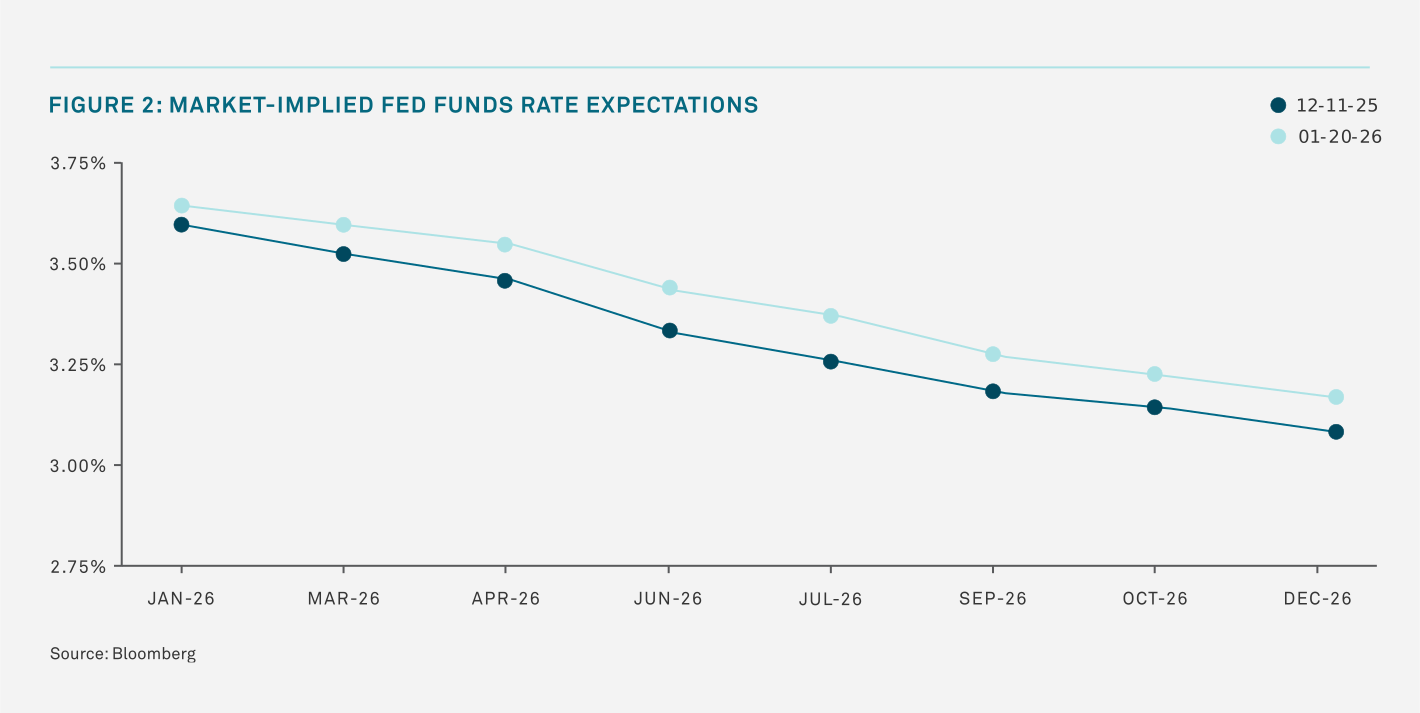
With a few exceptions, global central banks in developed markets are generally expected to stay on hold for at least the first half of the year, although the Bank of England is likely to cut rates, while the Bank of Japan is expected to continue to hike. The market still anticipates the Federal Reserve (Fed) cutting rates less than twice this year.
What to watch: the data. With the U.S. labor market data suggesting little hiring at present, further deterioration could cause the Fed to turn dovish. Elsewhere across the globe, stabilizing prices are keeping central bank expectations steady — a change in the inflation outlook either way could lead to a reevaluation.
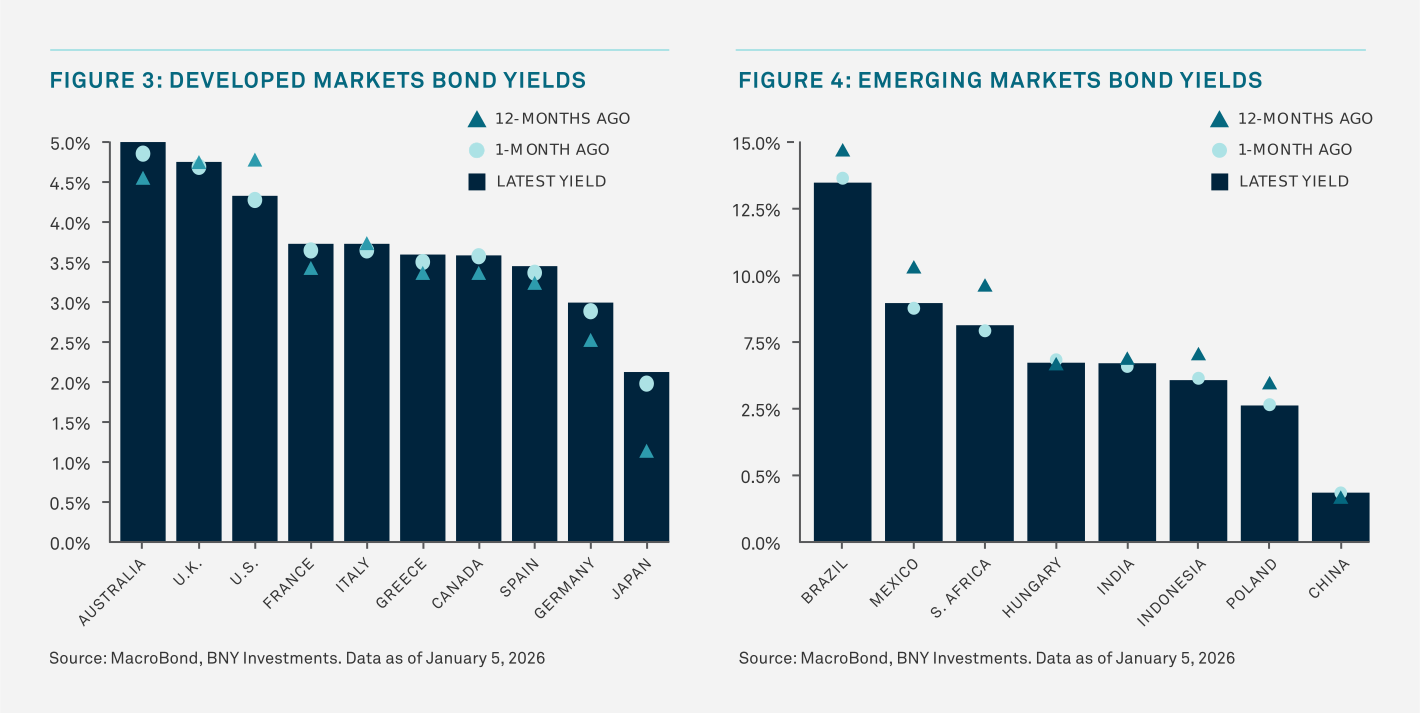
European fixed income has continued to underperform relative to the U.S., reflecting expectations for a more dovish Fed versus a largely steady European Central Bank (ECB). Emerging markets, which have been out of favor for some time, are starting to see more inflows given their high relative value especially versus U.S. high-yield debt.
What to watch: inflation dynamics and duration. The U.S. and the U.K. were later to cut interest rates and have more room for continued cuts versus the ECB and other developed markets’ central banks. In EM, the environment remains constructive on a comparative basis but moves in U.S. and other developed market yields could undermine the value for EM debt.
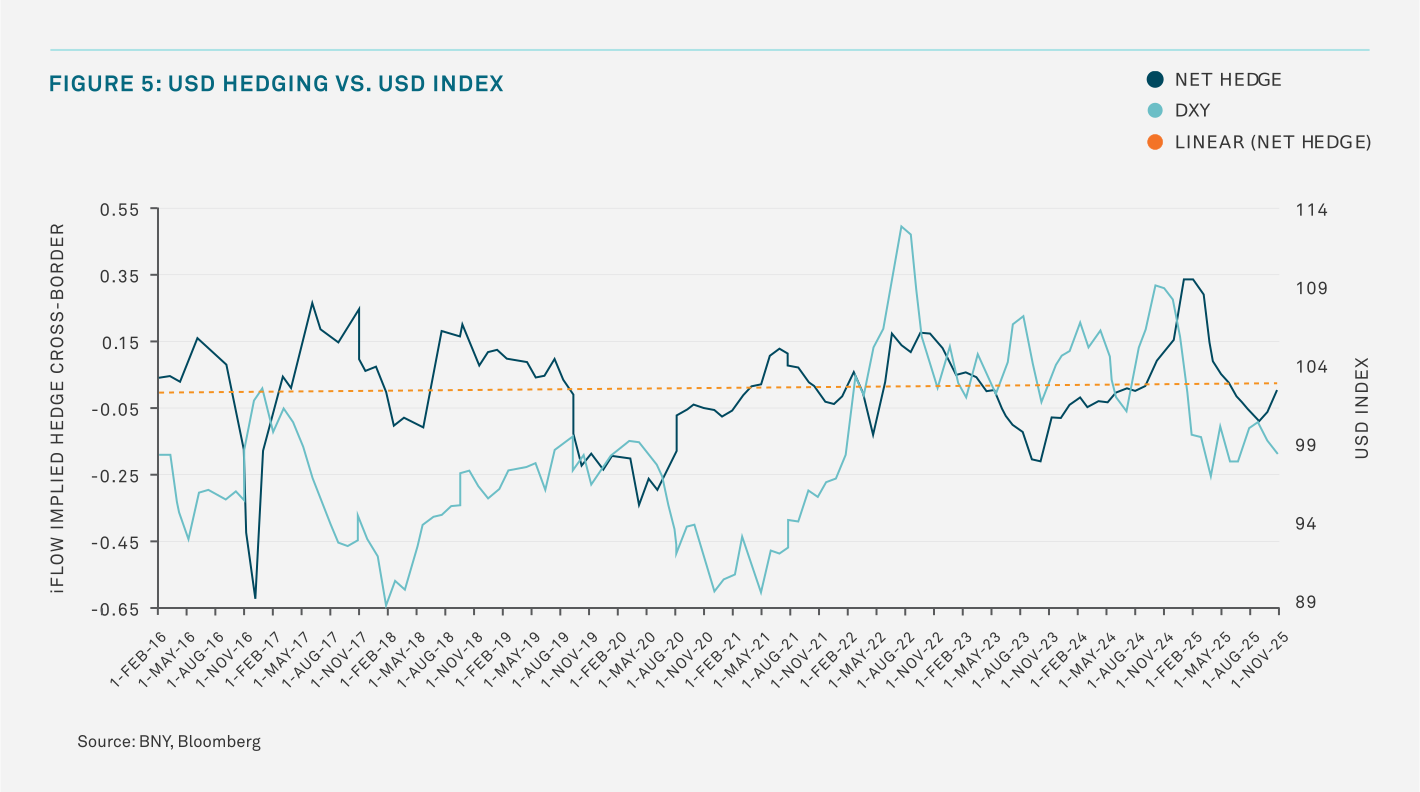
We still expect the U.S. dollar to trend lower this year. The Fed’s December rate cut helped push the dollar down roughly 0.5%, though momentum is waning and propensity to hedge is rising again.
What to watch: Fed action and U.S. market volatility. A Fed that cuts rates faster or increases the size of their balance sheet more than expected will put downward pressure on the dollar. Additionally, the rotation out of U.S. tech and sharper rate moves tied to fiscal concerns have increased hedging activity.
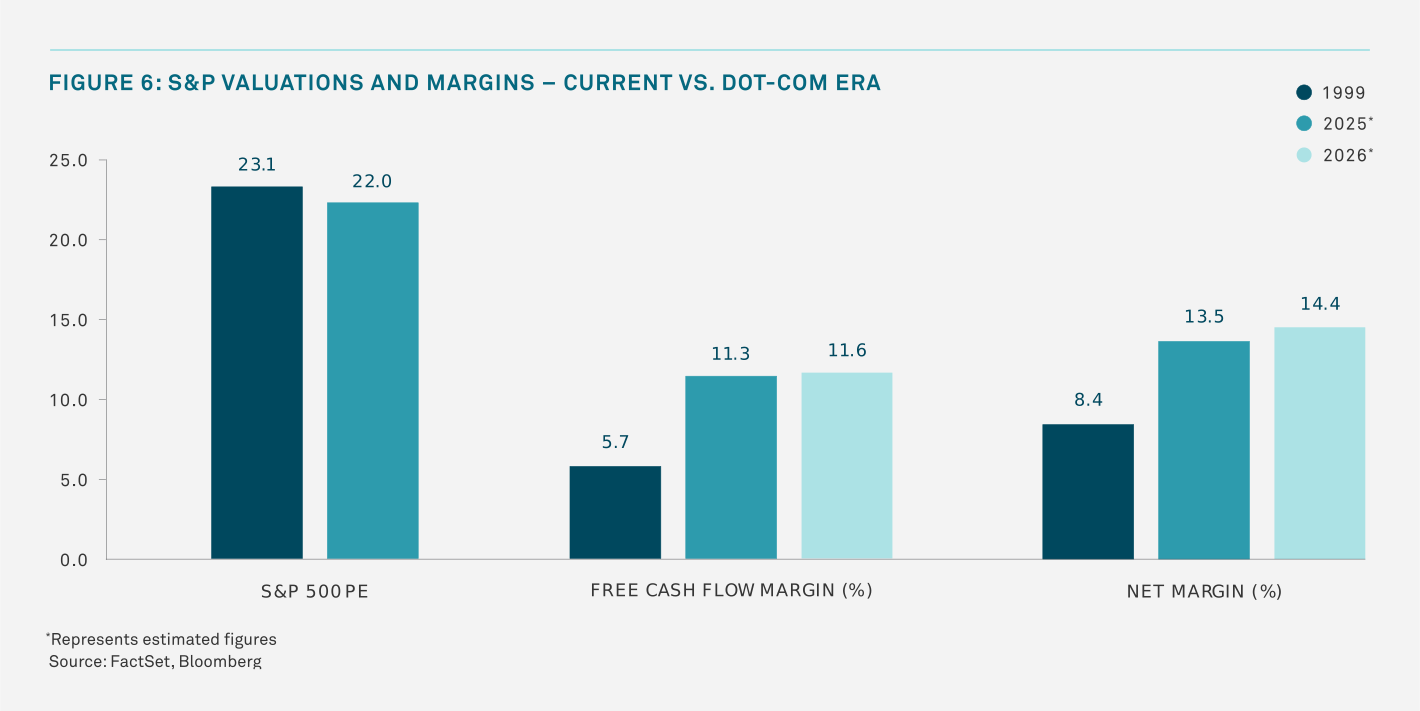
Valuation concerns have risen as the S&P 500 price-to-earnings ratio reached dot-com era levels. Unlike that period, the market today is more profitable, with further margin improvement expected this year. In 2025, ~85% of the S&P 500’s return was driven by earnings growth1 which we expect to carry the S&P again this year, especially considering the expected growth beyond hyperscalers. Higher structural profitability argues for a higher-multiple regime, but current levels remain vulnerable to shifts in sentiment.
What to watch: earnings path and breadth. A slower cyclical rebound, sticky inflation, a more hawkish Fed, or weaker-than-expected returns on AI-related capex could increase volatility, compress multiples or spur a rotation in sectors and styles. Alternatively, a more cyclical rebound could raise earnings expectations beyond AI-related names.
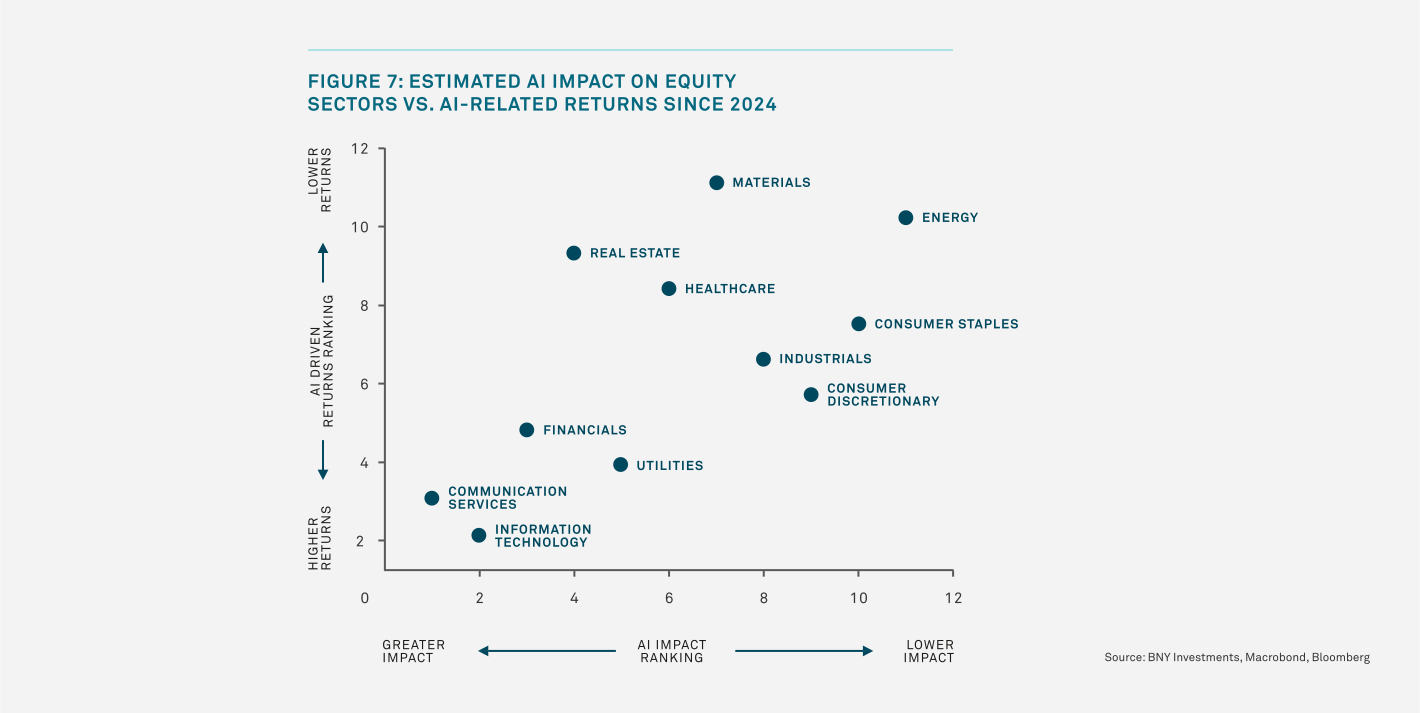
Investor views have continued to diverge into the new year: those who see further upside in the market value of companies close to the AI boom (e.g., the hyperscalers and the chip makers) and those who see it as a bubble that is about to burst. We believe shareholder value will expand across sectors and beyond tech. Leveraging our sector-level, AI value-capture rankings, we believe equity markets are pricing in broader AI impact as well as typical return drivers.
What to watch: second-order beneficiaries. While maintaining core AI-focused allocations remains important, diversifying into non-tech sectors positioned to capture incremental, AI-driven value can help broaden return potential and reduce concentration in 2026.
The balance of 2026 hinges on execution, including the path and pace of central bank actions, inflation’s trajectory across regions, the breadth of earnings and where AI value-capture extends beyond tech. We intend to revisit these six essential questions as signals evolve, leaning into a disciplined, data-driven dialogue. In a complex and multi-dimensional market, adaptability can drive success.
Sources
1BNY calculation using Bloomberg and FactSet data
Disclaimer
BNY Institute content provides thought leadership and is not investment research. Views are the authors’ and may change. This material is for informational purposes only and does not constitute investment advice or an offer. For full disclosures, click here.