Higher inflation, contained expectations
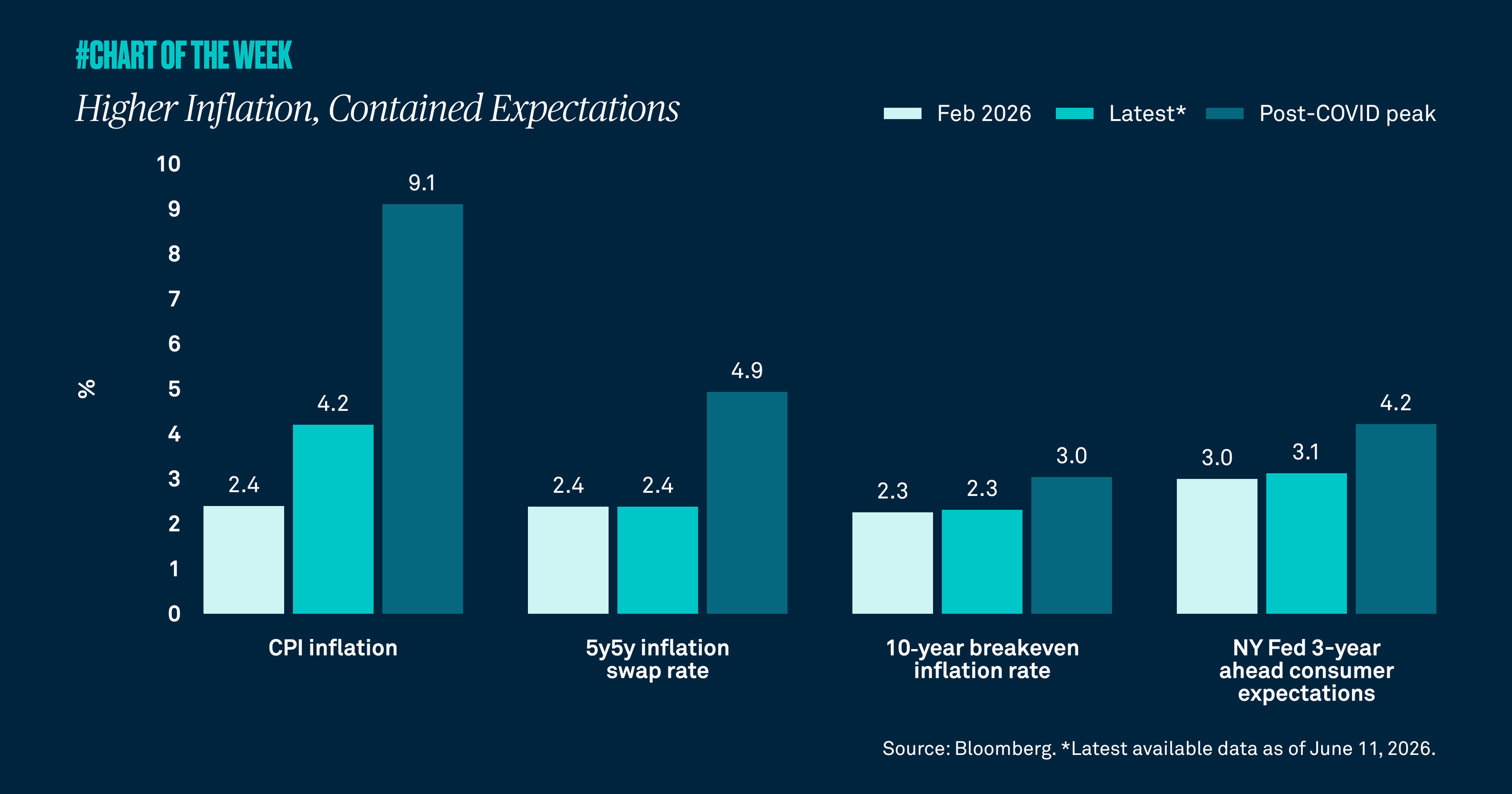
Inflation has jumped since the Strait of Hormuz closed, squeezing consumers through higher gas and utility bills and pressuring businesses with higher freight and operating costs. Yet, longer-term inflation expectations remain contained, suggesting this looks more like a temporary energy shock than a lasting inflation upswing.
 3 mins Reading time
Published on 15 June 2026
3 mins Reading time
Published on 15 June 2026


Inflation has risen since the start of the Iran conflict and the closure of the Strait of Hormuz, driven largely by higher energy costs. Consumers are feeling it through higher gasoline and utility bills, while business owners are facing higher freight, utility and operating costs.
Since February, annual inflation has increased to 4.2% from 2.4%. Yet, longer-term inflation expectations have stayed well anchored, suggesting households and markets still view this as an energy-driven shock rather than the start of a lasting inflation upswing. We share this view, and believe Middle East tensions should ease sooner rather than later given the pending peace deal, which will allow energy prices to normalize over time. Still, we could see higher inflation prints over the next several months, which, combined with a resilient economy, should keep the Federal Reserve on hold.
While near-term volatility is possible, we remain constructive on U.S. equities, supported by resilient earnings, solid capital spending and a stabilizing labor market over the long term.
952955 Exp : 15 June 2027
YOU MIGHT ALSO LIKE
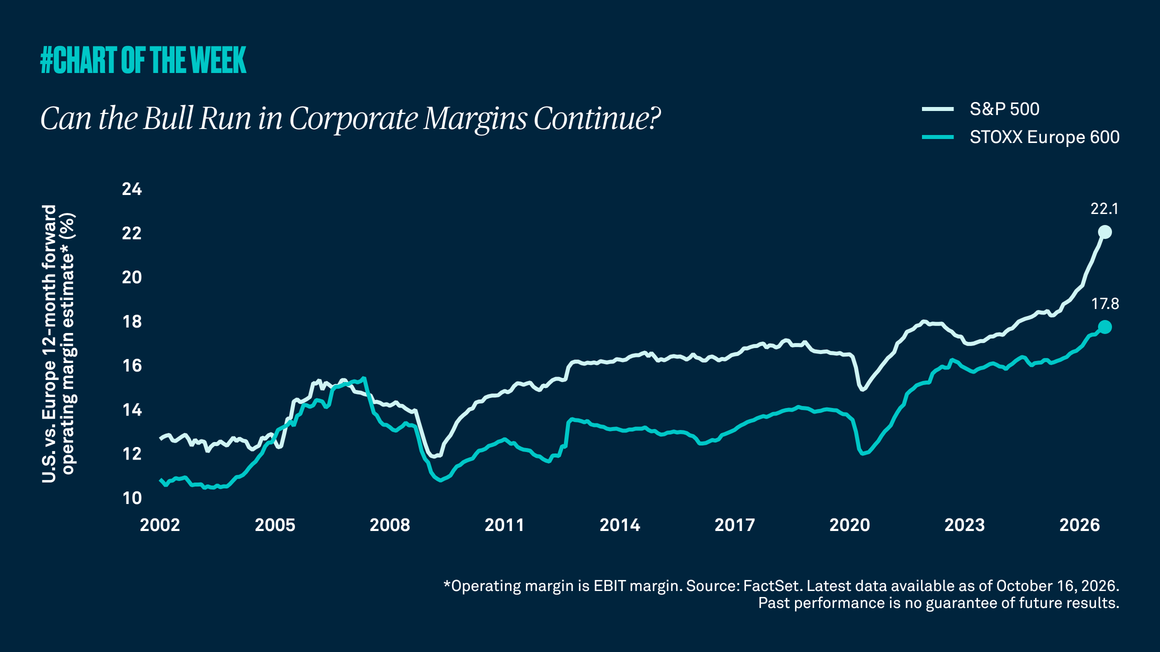
Higher inflation and elevated interest rates typically weigh on corporate profitability, yet corporate margins continue to climb to record highs. While that strength is evident both in the U.S. and abroad, U.S. outperformance versus Europe is now the widest on record. Stronger margins have helped contribute to better-than-expected earnings and reinforce U.S. equity leadership. The question now is whether that strength can persist?
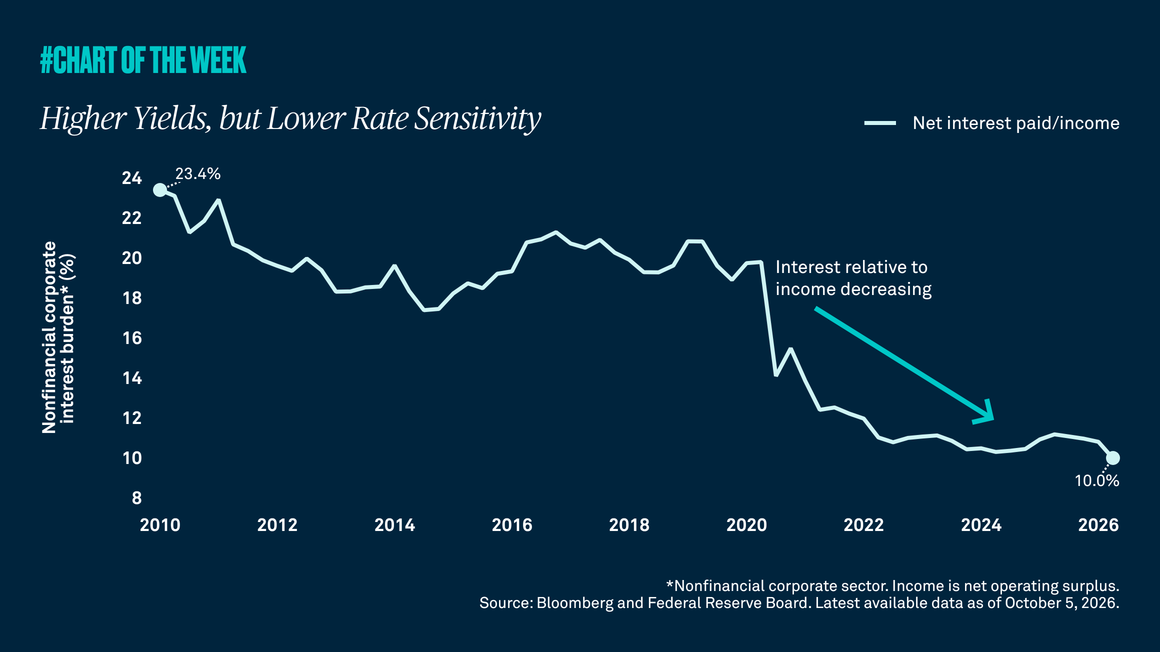
Higher interest rates have become a frequently cited risk to corporate earnings and the economy. The conventional thinking is straightforward: when borrowing costs rise, companies face higher interest expenses, profits come under pressure, and economic growth slows. While there is truth to that relationship, the current cycle may differ from investors’ expectations.
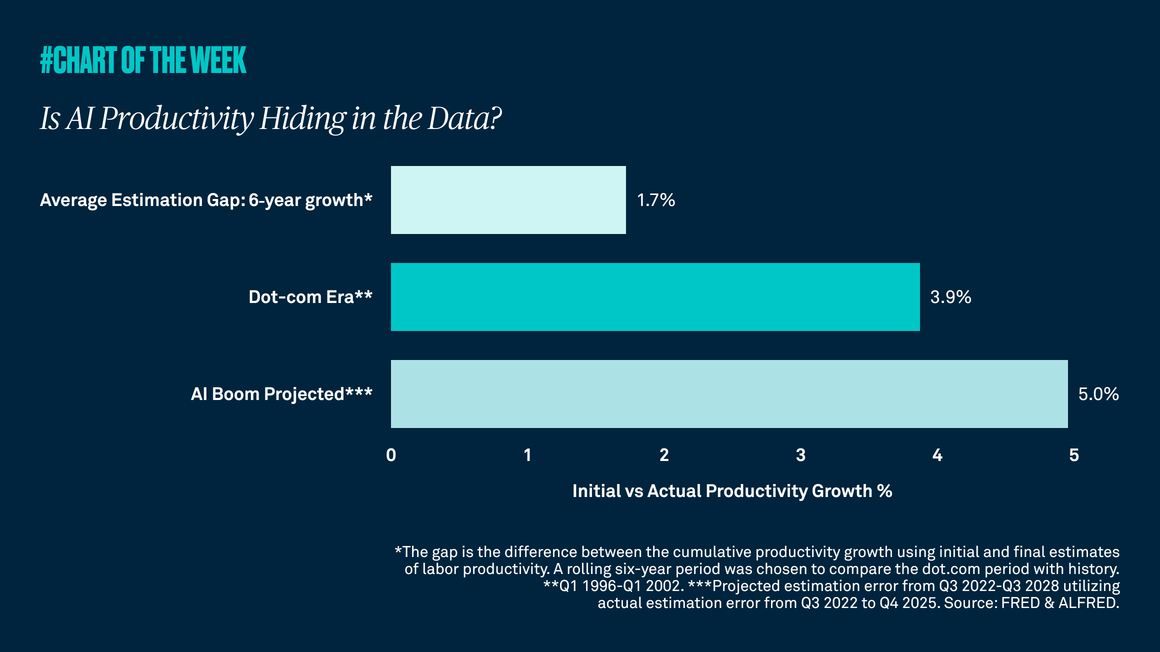
Both the dot-com era and the rise of artificial intelligence suggest that early productivity data can understate the actual economic impact of transformative technologies. In the case of the internet, later revisions to productivity gains surpassed early estimates. The same may prove true for AI, implying stronger support for growth.
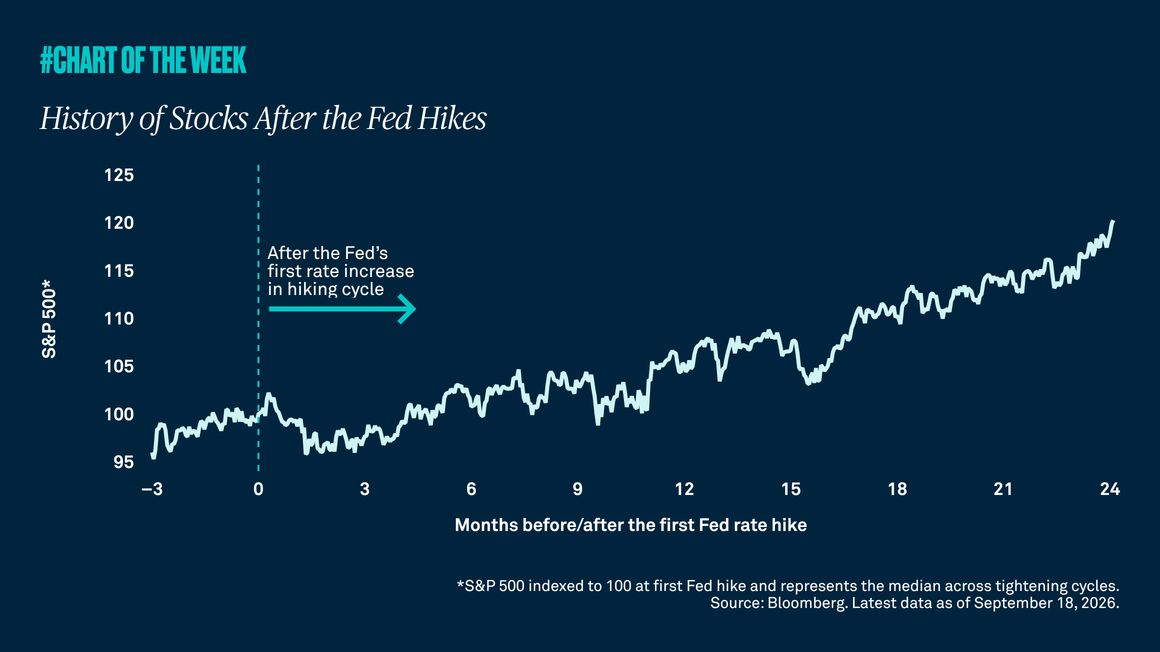
History of stocks after the Fed hikes
History of stocks after the fed hikes
Sticky inflation and resilient growth have revived monetary tightening, increasing the risk of higher-for-longer rates and near-term volatility. We continue to believe economic resilience and strong corporate profits should continue to provide a favorable backdrop for stocks, and would use periods of market weakness to add selectively to equities. Additionally, owning real assets can help hedge against inflation.
