Bullish on Fed easing?
As expected, the Federal Open Market Committee delivered another 25-basis point rate cut. Investors are now focused on the pace of cuts from here. However, the more important driver of future equity returns is whether the Fed is easing into an economy that is growing or not.

 3 mins Reading time
Published on 04 November 2025
3 mins Reading time
Published on 04 November 2025


Last week, the Federal Reserve delivered a widely anticipated 25-basis point rate cut, What caught the market’s attention was pushback by Fed Chair Powell on the certainty of a December cut. But, regardless of the pace of easing from here, history tells us that future equity market performance is positive when the Fed eases into a growing economy.
According to our research dating back to the 1980s, stocks delivered an average gain of 16.5% in the 12 months following the first cut of an easing cycle as long as a recession was avoided. The number ticks up to 44.5% over the first 24 months. While the Fed’s easing arguably started last year, we view the latest cuts and future expectations as a new cycle.
Given our outlook for continued positive economic growth over the next year, combined with an improving earnings backdrop, we expect more equity gains to come.
835032 Exp : 04 November 2026
YOU MIGHT ALSO LIKE
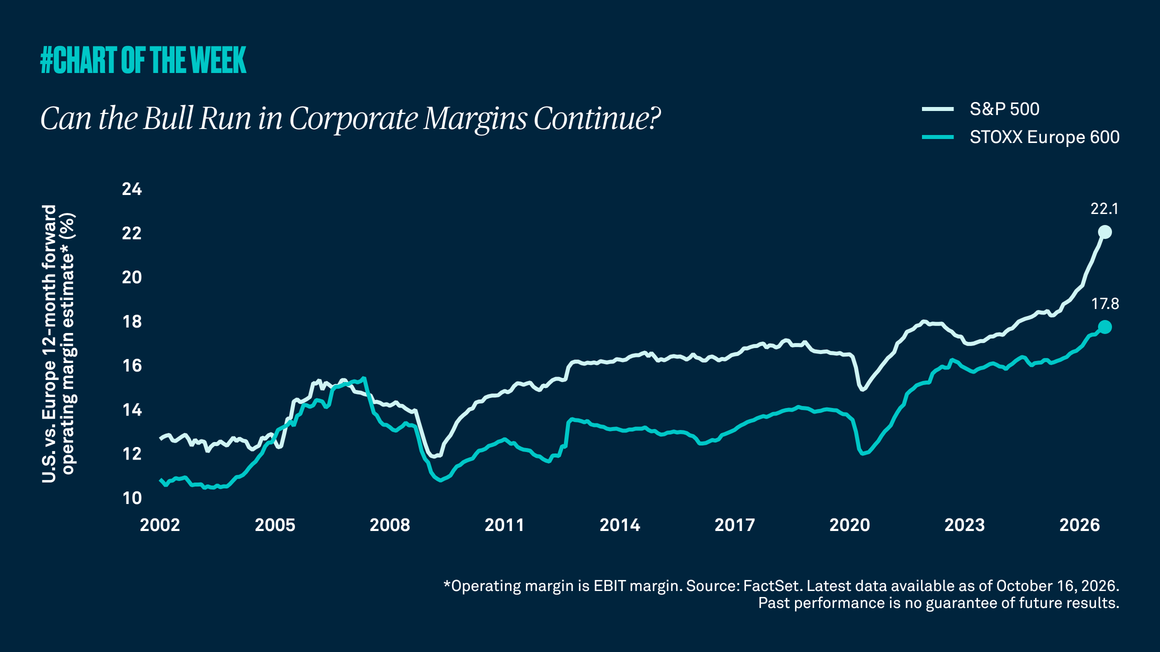
Higher inflation and elevated interest rates typically weigh on corporate profitability, yet corporate margins continue to climb to record highs. While that strength is evident both in the U.S. and abroad, U.S. outperformance versus Europe is now the widest on record. Stronger margins have helped contribute to better-than-expected earnings and reinforce U.S. equity leadership. The question now is whether that strength can persist?
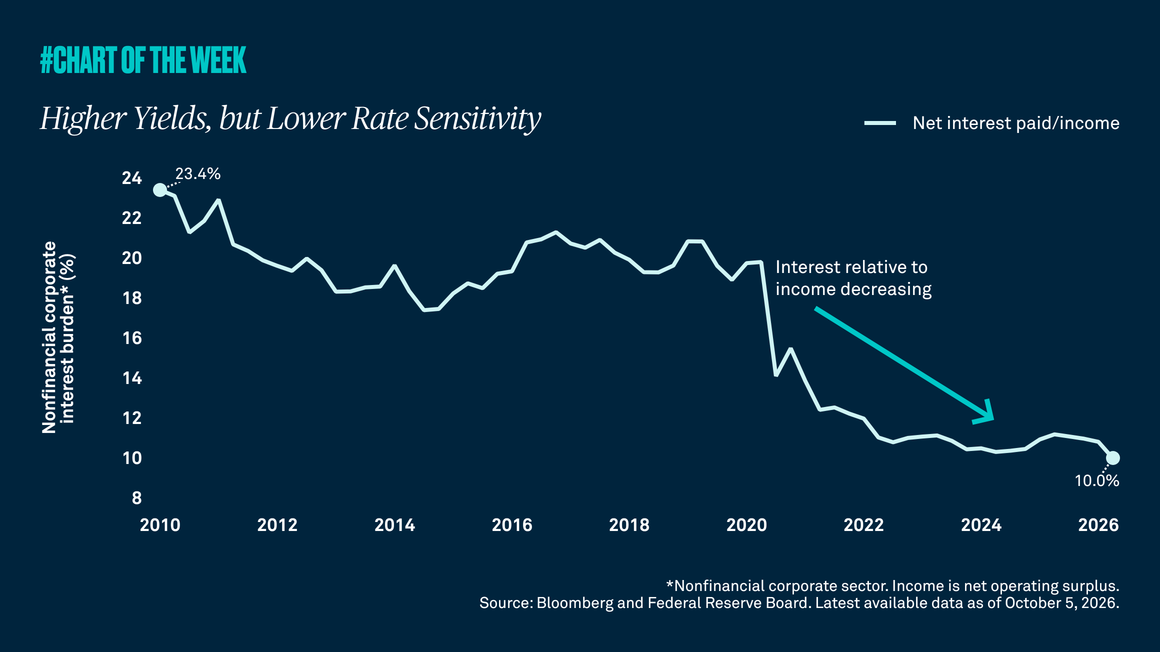
Higher interest rates have become a frequently cited risk to corporate earnings and the economy. The conventional thinking is straightforward: when borrowing costs rise, companies face higher interest expenses, profits come under pressure, and economic growth slows. While there is truth to that relationship, the current cycle may differ from investors’ expectations.
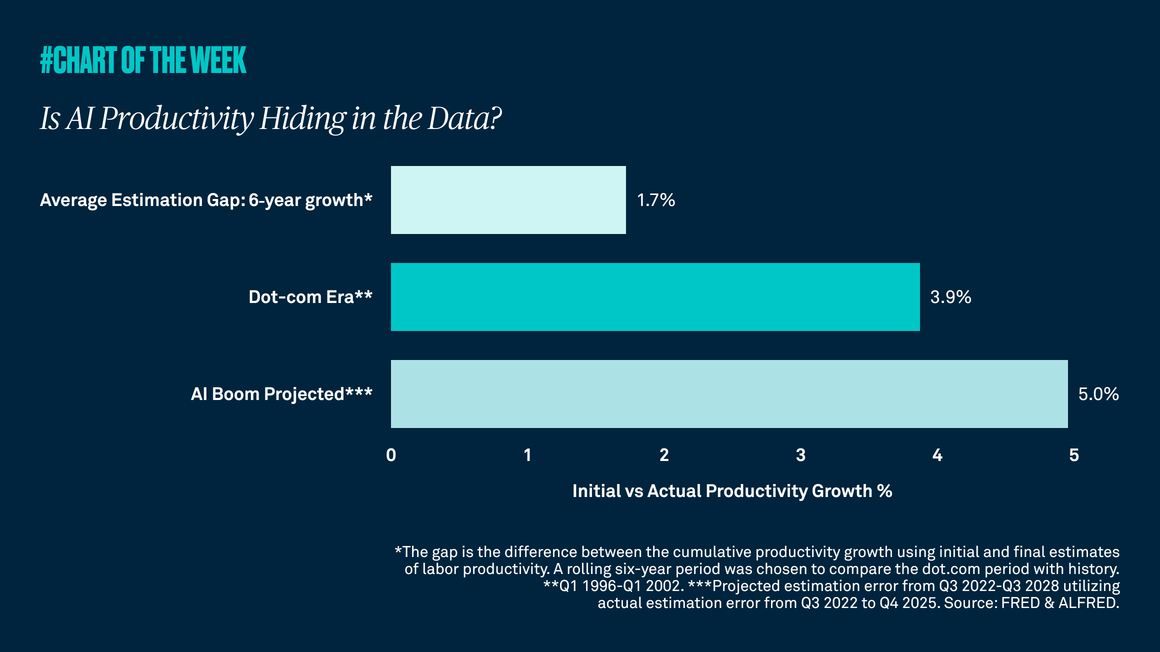
Both the dot-com era and the rise of artificial intelligence suggest that early productivity data can understate the actual economic impact of transformative technologies. In the case of the internet, later revisions to productivity gains surpassed early estimates. The same may prove true for AI, implying stronger support for growth.
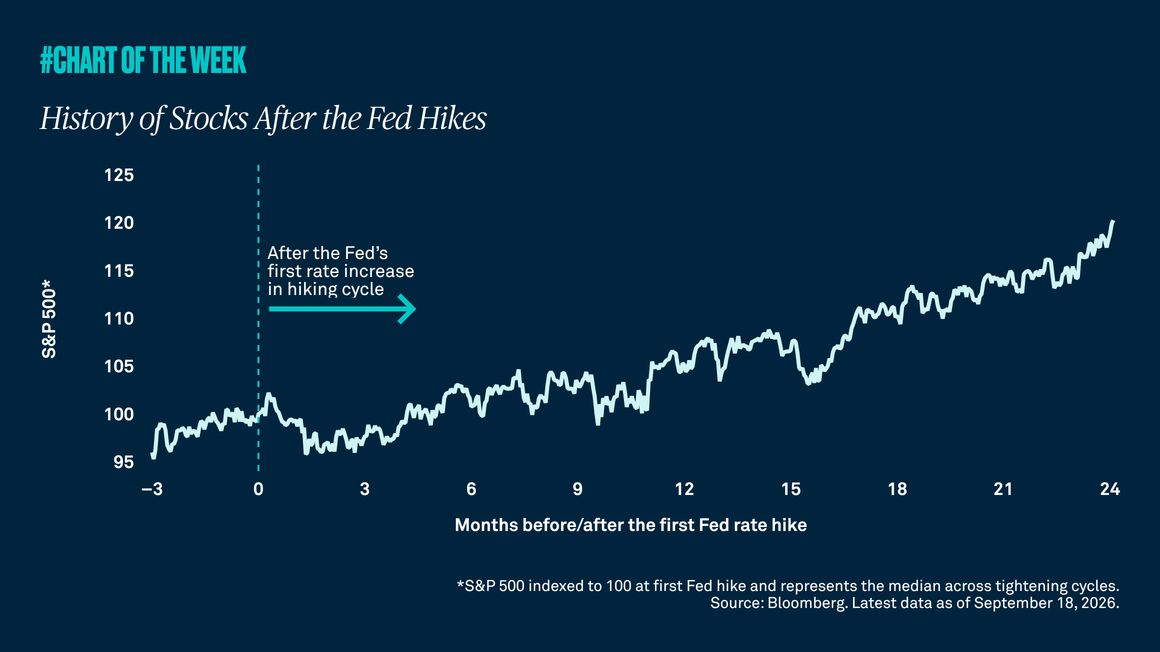
History of stocks after the Fed hikes
History of stocks after the fed hikes
Sticky inflation and resilient growth have revived monetary tightening, increasing the risk of higher-for-longer rates and near-term volatility. We continue to believe economic resilience and strong corporate profits should continue to provide a favorable backdrop for stocks, and would use periods of market weakness to add selectively to equities. Additionally, owning real assets can help hedge against inflation.
