Your Active Wealth Podcast
DATE PUBLISHED: OCTOBER 12, 2022
BNY Wealth’s “Do Well Better” campaign highlights and celebrates clients who are wielding their wealth with purpose, be it through their philanthropy or by launching ventures that positively impact society. In this episode of Your Active Wealth podcast, Carlos Martinez, founder of Clement Capital Partners, a visionary leader and entrepreneur with over 30 years of consulting experience, talks about his upbringing, his inspirational journey to the United States from Puerto Rico, his work with underrepresented groups and the ways he is doing well better in his community. Carlos also shares how there’s more to entrepreneurship than generating revenue.
Subscribe to Your Active Wealth on your favorite podcast platform via Apple Podcasts, Spotify, Amazon Music, Pocketcast and more.
Featuring: Carlos Martinez, Founder, Clement Capital Partners
VO [00:00:01] Is your wealth strategy supporting your long-term goals? Welcome to Your Active Wealth with BNY Wealth, where we offer insights that can help you move closer to your goals. We'll tackle timely topics through the lens of the five pillars that comprise our Active Wealth framework: Invest, Spend, Manage, Borrow and Protect, and provide guidance on navigating the unpredictable, to help you build and sustain wealth.
Ben [00:00:34] Hi. I'm your host, Ben McGloin, and welcome back to Your Active Wealth. BNY Wealth's Do Well Better campaign highlights and celebrates clients who are wielding their wealth with purpose through their philanthropy or by launching ventures that positively impact society. Today we're speaking with Carlos Martinez, founder of Clement Capital Partners, a visionary leader and entrepreneur with over 30 years of consulting experience. Carlos leverages his expertise and experience to create opportunities for others and Do Well Better. Carlos’ inspiring story begins in his native Puerto Rico, where he attended the University of Puerto Rico. We’ll talk to Carlos about his upbringing and his journey to the mainland, while working a handful of jobs and studying for the GMAT exam. Carlos will discuss his career at Electronic Data Systems (EDS) and PricewaterhouseCoopers, his role as an adjunct professor teaching entrepreneurship classes, and how he decided to launch a fund to help underrepresented groups. We’ll also hear his unique take on being an entrepreneur. Carlos, welcome to the podcast.
Carlos [00:01:35] Thank you, Ben.
Ben [00:01:36] Carlos, you have a very robust resume. Can you tell us how you got here and what challenges you faced along the way?
Carlos [00:01:42] I started my career in consulting in technology as you mentioned earlier. Really, my undergraduate work was in business administration. It was later in my undergraduate work that I got interested in computers. I started getting an interest for working with systems and things of that nature, going to the computer lab on my own, just doing things that people are like, what are you doing here? I was just very fascinated by it. And I took that and I landed a job in electronic data systems and in the systems engineering development program. So that career took me about four years with EDS, wonderful experience. And then I went to Price Waterhouse to go to their consulting practice where I continued doing more systems. I've been in the systems world for about 35 years now or more. And, and I do enjoy working in enterprise systems. Then I had the opportunity to start my own firm. Since I was young, in my life, I did lawns. I did newspaper rounds. I always had an entrepreneurial spirit in me. I always had a vision of starting a business. I did start a business in consulting called Strategic Systems and Products that I later sold after 15 years running it, facing many challenges, as, you know, as an entrepreneur. The ups and downs of running a business and sometimes not knowing where things would go. But I was fortunate enough that the company grew and I was able to sell the company to a large consulting global firm that bought the company in 2014. After that, I started a couple of ventures, which did not work, so I stopped those. And I also have been teaching at Southern Methodist University. I've been teaching entrepreneurship there. That has been extremely rewarding, working with young folks and the students, sharing my experiences and so on. My latest project is an impact fund that supports and addresses underrepresented groups in our world today.
Ben [00:03:40] Carlos, you grew up in Puerto Rico and came to the mainland to start your career. Can you tell us about that journey?
Carlos [00:03:46] Yeah, so definitely a journey. Like I said, I was born and raised in Puerto Rico and then went to the University of Puerto Rico in Mayaguez, which I was fortunate to attend, and I did my undergraduate work there. And then, like I said, after graduating, I was faced with what many students face, like, what do I do? I did want to go to graduate school. That was something I wanted to do. But I also wanted to work because we all want to have a job. But I didn't see those opportunities coming through in Puerto Rico, and I really wanted to go to graduate school in the U.S., in the mainland. I literally told my parents that I was going to move, and they were pretty horrified by the idea and taken by it. And I said, I want to move to the U.S., I'm going to move over there and I'm going to maybe work in whatever I can work and then I can go to graduate school. My parents always taught me to work however much you want. They weren't going to provide me everything to say, go and do these things with all this money. I had about $100 honestly, about $100 to $200. And I left. But I was fortunate to have a friend that lived in Florida at the time. And he said, you can come and, you know, crash here, kind of thing. So there's this 21-year-old going over, and I didn't have a job. I didn't have really anything, just pretty much my bag and the hundred dollars. But he was somebody that went to school, the same school I went to, but he studied agriculture. He was working in the landscape business. I said, well, you know what, I can work on that as well. I started working with him. He took me as his helper, going to different houses, planting trees and doing all sorts of things. So it's kind of interesting being outside and doing that kind of work. And then what I would do is study for the GMAT exam at nights. But after that I just kept studying for the GMAT, took another job at night answering phones. I stopped doing landscaping so I can really focus on the GMAT exam and also find other jobs. And that's kind of how everything got started from there. EDS was hiring, and I was in Tampa at the time and that's how I started that job. That was like a dream come true because I wanted to work in technology. I kind of put-on hold grad school because that was too much of an opportunity to pass up. But, you know, I went through all that process of kind of not knowing where things were going to go. But I was fortunate enough to after many, many resumes being sent and being very persistent with EDS, I was able to start working with them in Florida.
Ben [00:06:18] I know you're spending a lot of time helping underrepresented communities. Could you elaborate on the work you are doing and what inspires you to give back and make a difference?
Carlos [00:06:27] I think that most people have these moments where you know, I believe in reflecting a lot. I've always done that. But particularly now when I look at the things that I've done, I always like to see how other people can do similar things and the challenges that we all face, how much we are just the same, even though we think we're different. So I started becoming more curious about people that perhaps are going through the challenges that I went through in the beginning, but they didn't have the people that supported them or the opportunities. The transition from Puerto Rico to the U.S. was not as difficult for me. I know people say that it was, but I was raised in an environment where English was spoken. And it’s different, people that come from different areas of the world or geographies where they face all the challenges. Not only that, also the racial divide. It seems like we need to open doors. And at one point you ask yourself, what can I do in this situation? How can I help others and inspire them with not only my story, but what I know, and to help them pave the way for them to also do the same or more then what I've done. So that's kind of what led me to this context where I can feel that people are feeling that they don't have the opportunities because they're in communities that don't have access to certain opportunities or people that perhaps have a disability. And that is not obvious, but they have a disability and a challenge and they're having a hard time finding a job or situations where the environment is being attacked and they feel that their communities are in danger. So that's kind of like the calling that I received to move into this space.
Ben [00:08:07] So further along those lines, Carlos, can you tell us more about the accelerator you started and what makes it different from other funds?
Carlos [00:08:13] The idea here is that we want to create wealth for the world, right. I believe that my love abundance is the more we give, the more we receive. I believe that we can create wealth and extract wealth, but at the same time give more. The more we give, the more we can extract. This fund is a fund that is intended to create enterprises that can flourish and can grow and at the same time change communities. We have to change things in systemic ways. We can't be saying that we have to open opportunities for minorities or that minorities need to have more access. That's one part of the equation. But the real change needs to happen when we go into the communities and create opportunities for education, training. How do we help people come out of the communities and get the opportunities that they deserve, not just open doors? Our fund is really intended to go into communities and say, how can we create stories that resonate? How can we make an impact by telling the stories of what's happening here to get additional help into these areas? Or how can we open doors by creating enterprises that perhaps help these communities, providing employment, promoting education, providing a better life.
Ben [00:09:24] I'm curious, as you were thinking about and looking to start the accelerator, what were the steps you took in terms of just educating yourself and really putting the accelerator together and what resources you tapped into for that?
Carlos [00:09:36] It's a lot of learning, right? Because I'm an entrepreneur, when you come from an entrepreneur side, there's being a fund and the accelerator element. The fund has its components of how do we manage a fund and all that? So there's a lot of learning that’s been great. I've been fortunate to have great networks and people that have joined and believe in what I'm trying to do and want to participate. So on the entrepreneurship side, the accelerator, just bringing together the resources on that end, I felt a little bit more equipped because I've been so involved in the ecosystem here in Dallas that I can pull the resources in. But it has definitely been a challenge, a learning experience. But it has been so far rewarding.
Ben [00:10:23] Yeah, that's terrific. I get the opportunity to meet and talk to many entrepreneurs and I'm always fascinated about how they define entrepreneurship and really know what it means to them. I know you mentioned kind of the law of abundance, but could you maybe elaborate on that for our listeners? Carlos [00:10:37] Yeah, I mean, you know, in many ways, like I said, I've had this entrepreneurial personality in a way. And it's not that I'm different than anybody. I think everybody has the same thing. We all have a desire to survive as long as we find ourselves in a particular, you know, job or anything. But even when I was working somewhere, people thought I was kind of strange because then when I was doing programing or systems analysis or anything like that, I would always say, gosh, you know, we're building this application for the health care systems so that now claims can be processed faster or that people can get their treatment faster or they can be more accurate. And the people that were working with me would be like, you're strange. Why are you thinking these things? We're just doing this because we need to get paid, that kind of thing. I always kind of saw things pass that. Wealth to me is something that just comes and is available to you depending on what you're doing. But to me it’s not the very first priority. It’s more how much I can give in a situation. And that's where the law of abundance comes in. And then I think logically for me, the more I give, the more people will react and the more you will receive in the form of wealth. That's just kind of how I operate. So to me, that transcends into entrepreneurship, because even from a business perspective, I feel like the most rewarding thing for me as an entrepreneur is seeing people get jobs, having an employee come and tell me that they bought a house, or bought a car. Hiring students out of college that perhaps they didn't know how they were going to be able to land a job that will pay them well. To see the reward in doing that. It's all more about, you know, yes, you generate the revenue, you generate the wealth, but how can you give that wealth and pump it somewhere where it’s inspiring, where you can empathize with people and see where they're at and provide them opportunity. In the company that I ran, that sold, we did a lot of training that people would actually criticize and say, why are you doing so much training? People need to work. But I felt that I was blessed with people that had helped me, that trained me, companies that nurtured me and felt like I wanted to give that back. I want to give that back. And every enterprise I do is about, you know, how can we do that? Today my students even have to do a lot of empathy workshops in my entrepreneurship class. It starts with empathy. So students are kind of thrown off by that because business students are usually so used to doing finance or marketing or things of that nature. And there actually isn't, that’s in the very last part of the course. Most of the courses spend doing empathy exercises and compassion exercises to connect to something in the world that someone needs that we can solve.
Ben [00:13:11] That's great. And alluding to there in terms of the people that you work with, you've created a lot of opportunities for a lot of people, but are there moments in your life where opportunity found you or perhaps was created for you? Can you elaborate on those?
Carlos [00:13:26] Yeah. I mean, it’s incredible, right? I think that we all have a journey and I think everything happens for a reason. It's almost like a movie. Things are showing up in front of you and it depends if you want to pay attention or not. So I tell that to my children. Opportunities come and you have to sometimes just take the risk and go. And risk is difficult for some of us. But I think that if I was going to summarize some of the things that I think I can be so grateful for and that I wouldn't be. First, that situation where I was living in Puerto Rico and I had a friend that took me in. So having that. And that's the power of community. That's the power of networking that I talk to my students and my employees about is that you can never do anything alone, that we think that we can do everything and we're so great. But at the end of the day, we are really interdependent, and we need not only the environment around us, but we need other people to be able to accomplish what we want. The supportive environment that I received at EDS, the training, you know, it was incredible. People think, well, you were getting paid. It was a job. You had to work hard, but I don't see it that way. I said that was just an extremely powerful platform that was put in front of me and I have to be grateful for that. And then when I went to Price Waterhouse, this individual started working with me, my supervisor, and he really connected with me, and he would just spend hours and hours teaching me everything about the industry that I was working in and I can’t be more thankful about that. And I know that he was doing it because it was his job, but I look beyond that. I think he connected and I connected and he helped me tremendously in my career. People were like, oh my God, you're such an expert. I'm like, yeah, because somebody took the time to teach me something, so that's why I feel I can do as well. Ben [00:15:10] That’s great, Carlos. So what advice would you have for other entrepreneurs who are thinking about perhaps creating an accelerator, you know, a fund to give back to their communities, particularly underrepresented communities?
Carlos [00:15:21] Let me just say in general, right, there's the fund, the accelerator that I'm working on. But I think that it’s fundamentally the same for any entrepreneur concepts or anything you want to do in life. And what I always say is that, you know, if you can find out what impact you're trying to make in the world, we all have a purpose. We all have a reason why we're here. I believe in the law of the universe. The universe is so intelligent that it just calculates exactly what each one of us has to do. I know that sounds a little bit technical from my programing background, but we all are a particular chip, we all are a particular instruction in the whole equation. I believe that we have to find that within ourselves. And whether that is a fund or the accelerator or something else you're going to do, connecting to that impact that you're trying to make in the world. Even if it’s with our job, I think is the most rewarding thing for anyone. And in starting anything, if you don't have that, it will make it very difficult. I think that would be the first place to start for me.
Ben [00:16:22] And how about your family? How involved are your family in your broader philanthropic efforts? Carlos [00:16:27] I mean, they're really involved. I have my wife and my two children and we talk about these things and then we sit at the dinner table and this is where all this started. I mean, they are very curious about these things as well. And they take them to their contacts. They take them to school. They share things with us. And we’ve been very fortunate that our children have that perspective. They share things with us that have happened and challenges that they faced with other friends, you know horrible things that have happened. You know, some of the youth having depression or taking their lives and things, they’ve gone through experiences and they've been very close to these situations. So they're very involved. They always have input. They always tell me what I'm doing wrong. So we have like, almost like our board of directors here at the house besides the board of directors of the company. And a lot of decisions are made in the living room. I always say that, or at the dining table, and they really, really steer a lot of the things that I do and inspire me in many ways.
Ben [00:17:24] Well, I know you've done obviously so much throughout your career, but I'm really curious as to where you want to go from here?
Carlos [00:17:30] So I definitely want to continue this journey, impact people in the communities, you know, whether that is through via the stories that we're trying to build with our fund. Because our fund will be utilizing film, media and technology to improve the lives of underrepresented groups and also help protect the environment. So in that mission, in that theme, investment theme, I want to make sure that we can use our media components to create stories and raise awareness, that we can use technology to help people with disabilities find jobs, that we can help people find better work situations with perhaps opportunity access via technology. I also would like to continue to get more involved in the entrepreneurial ecosystem. I'm very involved in the classroom and on campus and I think that's more important than just the classroom portion. That's part of my other job or my other life. So I am a member of many organizations that have an impact on not only the students to inspire them to do these things, but also their community. I wish to impact the world by trying to bring forward all these experiences that I've had, but also investing in people and also using my wealth to invest in people that that can make a difference in the world.
Ben [00:18:46] Well, terrific. Thank you for your time, Carlos, and thank you for sharing the story of your life's work and your entrepreneurial and philanthropic endeavors. We certainly look forward to seeing what you do next. I'm Ben McGloin, thanks for joining us and we'll see you on our next episode of Your Active Wealth.
VO [00:19:14] Thank you for listening to this episode of Your Active Wealth. Be sure to subscribe to this podcast on Apple Podcasts, Spotify, Google Podcasts or Stitcher and visit bny.com/wealth to view the latest insights on the subjects that matter most to you.
As of September 2023, Ben McGloin is no longer working at BNY Wealth. BNY is the corporate brand of The Bank of New York Mellon Corporation and may be used to reference the corporation as a whole and/or its various subsidiaries generally. This material does not constitute a recommendation by BNY of any kind and is provided for illustrative/educational purposes only. The information herein is not intended to provide tax, legal, investment, accounting, financial or other professional advice on any matter, and should not be used or relied upon as such. Effort has been made to ensure that the material presented herein is accurate at the time of publication. However, this material is not intended to be a full and exhaustive explanation of all of the investment or financial options available. The information discussed herein may not be applicable to or appropriate for every investor and should be used only after consultation with professionals who have reviewed your specific situation. This material, and the statements contained herein, are not an offer or solicitation to buy or sell any products (including financial products) or services or to participate in any particular strategy mentioned and should not be construed as such. Any investment strategies referenced in this material come with investment risks, including loss of value and/or loss of anticipated income. Past performance does not guarantee future results. The views expressed within this material are those of the contributors and not necessarily those of BNY. BNY has not independently verified the information contained in this material and makes no representation as to the accuracy, completeness, timeliness, merchantability or fitness for a specific purpose of the information provided in this material. BNY assumes no direct or consequential liability for any errors in or reliance upon this material. BNY will not be responsible for updating any information contained within this material and opinions and information contained herein are subject to change without notice. This material may not be reproduced or disseminated in any form without the prior written permission of BNY. Trademarks, logos and other intellectual property marks belong to their respective owners. ©2025 The Bank of New York Mellon. All rights reserved. WM-734149-2025-05-05
Listen to more episodes
Podcast | Investments
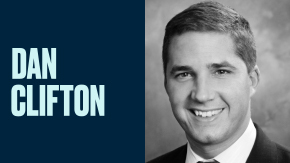
Alicia Levine and Dan Clifton on 2026: consumer refunds, deregulation, Fed cuts, tariffs and midterm dynamics—why policy could turn headwinds into tailwinds for growth and earnings.
Podcast | Business Owners
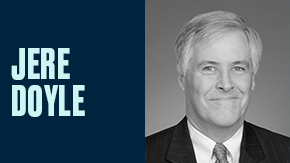
Terry Sylvester Charron, head of investment advisory and planning solutions, and Jere Doyle, senior wealth strategist, unpack changes to Qualified Small Business Stock as result of OBBBA.
Podcast | Private Banking
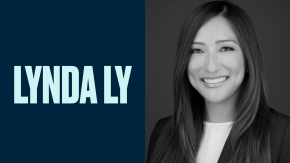
Scott Lillis, regional president, Mid-Atlantic Region, and Lynda Ly, private banking manager, explain our strategic cash management framework
Podcast | Wealth Planning
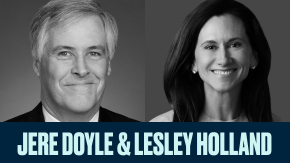
With the One Big Beautiful Bill Act (OBBBA) recently signed into law, a host of tax changes are set to go into effect, impacting high net worth individuals and the wealth plans they have in place.