Absolute‑Return‑Anleihenstrategien zielen darauf ab, gleichmäßigere Ergebnisse zu erzielen, indem sie den Kapitalerhalt priorisieren und Volatilität aktiv steuern. Dieser Ansatz bietet Anlegern einen potenziell widerstandsfähigeren Weg, sich in unsicheren Marktphasen zu orientieren, schreibt Shaun Casey, Senior Portfolio Manager bei Insight Investment.
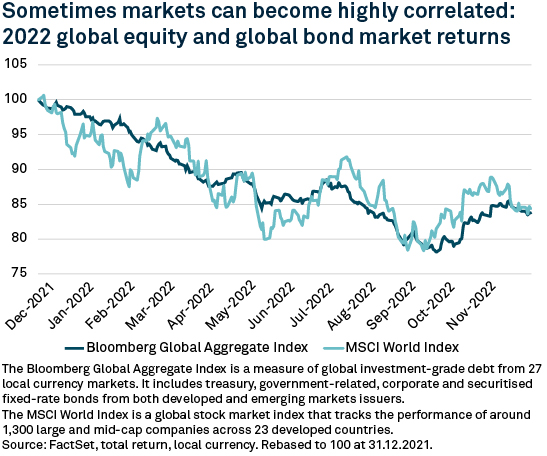
Wir alle hoffen, dass unser Vermögen im Laufe der Zeit wächst – dennoch führen Marktschwankungen immer wieder zu negativen, mitunter auch deutlich negativen Renditen. Selbst Anleihen, die traditionell als schützender gelten als risikoreichere Anlagen, verzeichneten negative Jahre. So erlitten Anleihen beispielsweise im Jahr 20222 deutliche Verluste, 1während Aktien sowohl 2018 als auch 2022 negativ abschnitten – ein klarer Hinweis darauf, dass traditionelle Diversifikation allein nicht immer ausreichend ist.
Für Anleger, die Wert darauf legen, Verluste zu vermeiden, gibt es spezielle Strategien, die genau dieses Ziel unterstützen. Diese Strategien streben an, in jedem Jahr positive Renditen zu erzielen, negative Jahre zu begrenzen und insgesamt gleichmäßigere Ergebnisse zu liefern. Dieser Ansatz wird üblicherweise als Absolute Return bezeichnet. Ein Portfoliomanager einer Absolute‑Return‑Strategie hat die Aufgabe, die Rendite von Geldmarktanlagen jährlich um einen bestimmten Prozentsatz zu übertreffen. Das unterscheidet sich deutlich vom traditionellen Ansatz eines Managers, der ein bestimmtes Marktindex‑Benchmark übertreffen soll – also einem Relative‑Return-Ansatz.
So kann eine Absolute‑Return‑Strategie darauf abzielen, über die Zeit hinweg Renditen oberhalb von Cash zu erzielen, während eine Relative‑Return‑Anleihenstrategie anhand eines Marktindex wie dem Bloomberg Global Aggregate bewertet wird.
In herausfordernden Marktphasen kann eine Relative‑Return‑Strategie bereits dann als erfolgreich gelten, wenn sie weniger stark fällt als ihr Benchmark. Absolute‑Return‑Strategien hingegen werden anhand ihrer Ziele – Kapitalerhalt und Risikokontrolle – beurteilt, sodass Perioden negativer Renditen insbesondere kurzfristig weniger positiv bewertet werden.
Mit dieser Herangehensweise passen Absolute‑Return‑Strategien gut zu den Zielen eher vorsichtiger Anleger – also jener, die Kapitalerhalt und einen glatteren Verlauf ihrer Portfoliorenditen anstreben. Im Gegensatz dazu führt eine Relative‑Return‑Strategie oft zu einem breiten Spektrum an Emotionen – von Euphorie bis hin zu großer Enttäuschung.
Wie funktionieren Absolute‑Return‑Anleihenstrategien konkret? Es gibt drei wesentliche Punkte zu beachten.
1) Ein sehr dynamischer Ansatz beim Risikomanagement
Absolute‑Return‑Manager reagieren sensibel auf veränderte Risikoniveaus an den Märkten. Steigt das Risiko, können sie das Portfolio defensiver ausrichten; verbessert sich das Umfeld, können sie wieder stärker in risikoreichere Anlagen investieren – stets mit dem Ziel, Kapital in unterschiedlichen Marktphasen zu schützen.
Wenn ein Manager erwartet, dass ein Wertpapier im kommenden Monat an Wert verlieren wird, kann er zudem eine Short‑Position eingehen. Eine Short‑Position erzielt Gewinne, wenn der betreffende Vermögenswert fällt. Dieser Ansatz half einigen Absolute‑Return‑Anleihenstrategien insbesondere im Jahr 2022, als Anleihemärkte deutlich an Wert verloren.
2) Große Flexibilität bei der Anlageallokation
Während Relative‑Return‑Manager häufig durch die Zusammensetzung eines Index eingeschränkt sind, verfügen Absolute‑Return‑Anleihenmanager über weit größere Freiheitsgrade. Sie können global und über verschiedene Segmente des Anleihenmarktes hinweg investieren, um Chancen zu nutzen und Risiken aktiver zu steuern. Diese Flexibilität erlaubt eine breitere Streuung und ein gezieltes Management von Risikoquellen.
3) Ein deutlich ruhigere Reise. Absolute‑Return‑Anleihenstrategien legen wesentlich mehr Gewicht auf Kapitalerhalt als viele traditionelle Ansätze. Dadurch können sie in fallenden Märkten widerstandsfähiger sein.
Allerdings bedeutet dieser Fokus auf Risikoreduzierung auch, dass sie in stark steigenden Märkten tendenziell weniger aggressiv an Aufwärtsbewegungen teilnehmen und somit moderatere Gewinne erzielen. Insgesamt führen Absolute‑Return‑Strategien jedoch zu einem deutlich ausgeglicheneren Investmentverlauf – mit weniger emotionalen Ausschlägen, egal ob Märkte fallen oder stark steigen.
Wo passt eine Absolute‑Return‑Anleihenstrategie in das Portfolio eines Anlegers?
Für viele Anleger kann eine Absolute‑Return‑Anleihenstrategie als stabilisierende Komponente innerhalb der Fixed‑Income‑Allokation dienen und so zur Gesamtresilienz des Portfolios beitragen. Eine Möglichkeit besteht darin, die Gesamtschwankungen eines Portfolios zu reduzieren, insbesondere wenn daneben risikoreichere Anlagen wie Aktien gehalten werden. Zudem kann die geringere Korrelation von Absolute‑Return‑Anleihenstrategien zu traditionellen, benchmarkorientierten Anleihenansätzen eine zusätzliche Diversifikationsquelle innerhalb der Fixed‑Income‑Allokation bieten.
Eine zweite Einsatzmöglichkeit besteht darin, den Teil des Portfolios zu managen, in dem Kapitalerhalt im Vordergrund steht, gleichzeitig aber eine höhere Rendite als mit Cash angestrebt wird.
Aus Kundensicht geht es dabei nicht darum, Volatilität vollständig auszuschalten, sondern die Schwere von Drawdowns zu reduzieren und eine insgesamt gleichmäßigere Investmentreise zu ermöglichen.
Worauf sollte man bei der Auswahl eines Absolute‑Return‑Managers achten?
Bei der Auswahl eines Managers lohnt sich ein Blick auf dessen Expertise:
- Hat der Manager in Jahren mit Marktrückgängen Wert erhalten können?
- Ist die Volatilität seiner Renditen geringer als jene von Staatsanleihen oder globalen Kreditmärkten?
- Kann der Manager auf die besten Ideen aus dem globalen Fixed‑Income‑Spektrum zugreifen, unterstützt durch Spezialisten für unterschiedliche Anlageklassen?
Ebenso entscheidend ist die Fähigkeit, Liquidität und Risiken über verschiedene Marktphasen hinweg konsistent zu managen.
Warum jetzt Absolute‑Return‑Strategien in Betracht ziehen?
Das aktuelle Marktumfeld zeigt deutlich, dass traditionelle Diversifikation allein oft nicht ausreicht — Anleihen und Aktien bewegen sich mitunter gleichzeitig in dieselbe Richtung. Gleichzeitig haben höhere Zinsen das Ertragspotenzial von Fixed Income verbessert, während Unsicherheiten rund um Inflation, Wachstum und Geldpolitik den Wert flexibler, risikobewusster Ansätze weiter erhöhen.
Unter diesen Bedingungen können Absolute‑Return‑Anleihenstrategien einen Weg bieten, Unsicherheit zu navigieren und Kapitalerhalt wie auch Portfoliostabilität zu priorisieren.
Resilientes Portfolio aufbauen
Absolute‑Return‑Anleihenstrategien bieten eine komfortable Möglichkeit, Portfoliorisiken zu managen und den Kapitalerhalt zu unterstützen. Ihre Fähigkeit, in ein breites Spektrum von Vermögenswerten zu investieren und sich rasch an veränderte Marktbedingungen anzupassen, macht sie wertvoll für die Reduzierung von Volatilität und die Erweiterung der Diversifikation innerhalb eines Portfolios. Die Auswahl eines erfahrenen Managers mit einem verlässlichen Track Record über verschiedene Marktzyklen hinweg ist entscheidend, um konsistente Ergebnisse zu erzielen und Abwärtsrisiken effektiv zu kontrollieren.
Warum Insight für Absolute‑Return‑Anleihenstrategien?
Einige Absolute‑Return‑Strategien nutzen ihre Flexibilität, indem sie sich weit vom Benchmark lösen. Insight Investment hingegen setzt diese Flexibilität innerhalb eines disziplinierten, risikokontrollierten Rahmens ein.
Der Ansatz von Insight:
- stellt Kapitalerhalt und Risikomanagement in den Mittelpunkt,
- strebt konsistente risikoadjustierte Renditen über verschiedene Marktumfelder hinweg an,
- stützt sich auf tiefgreifende Expertise in Zins‑, Kredit‑ und Liquiditätsrisiken — ein entscheidender Vorteil in Phasen von Marktstress.
Insight nutzt zudem zwei zusätzliche Sicherheitsmechanismen:
- Ein Markt‑Risikobewertungstool, das historische Daten analysiert, um einzuschätzen, wie viel Risiko vertretbar ist.
- Eine „Landmine‑Checkliste“ für jede einzelne Position, die sechs zentrale Risikofaktoren bewertet und die Wahrscheinlichkeit einer Bonitätsverschlechterung abschätzt.
Beide Risikomaße fließen in jede Investmententscheidung ein — mit dem Ziel, Resilienz aufzubauen statt kurzfristige Renditen zu maximieren, besonders im Sinne vorsichtiger Anleger.
Der Wert der Anlagen und die erhaltenen Erträge können sowohl sinken als auch steigen, und Anleger erhalten möglicherweise nicht den ursprünglich investierten Betrag zurück.
1Bloomberg Global Aggregate Index, bloomberg.com
2MSCI World Index 2010-2025, msci.com
3067800 Exp: 14 August 2026