Please ensure Javascript is enabled for purposes of website accessibility Signals from spreads
ch
de
intermediary
intermediary
false
true
Gathering data
Disclaimer Not Available

Signals from spreads

Signals from spreads

Credit spreads have risen yet remain historically low, reinforcing our view that the oil shock is likely temporary — not a driver of long-term growth concerns.
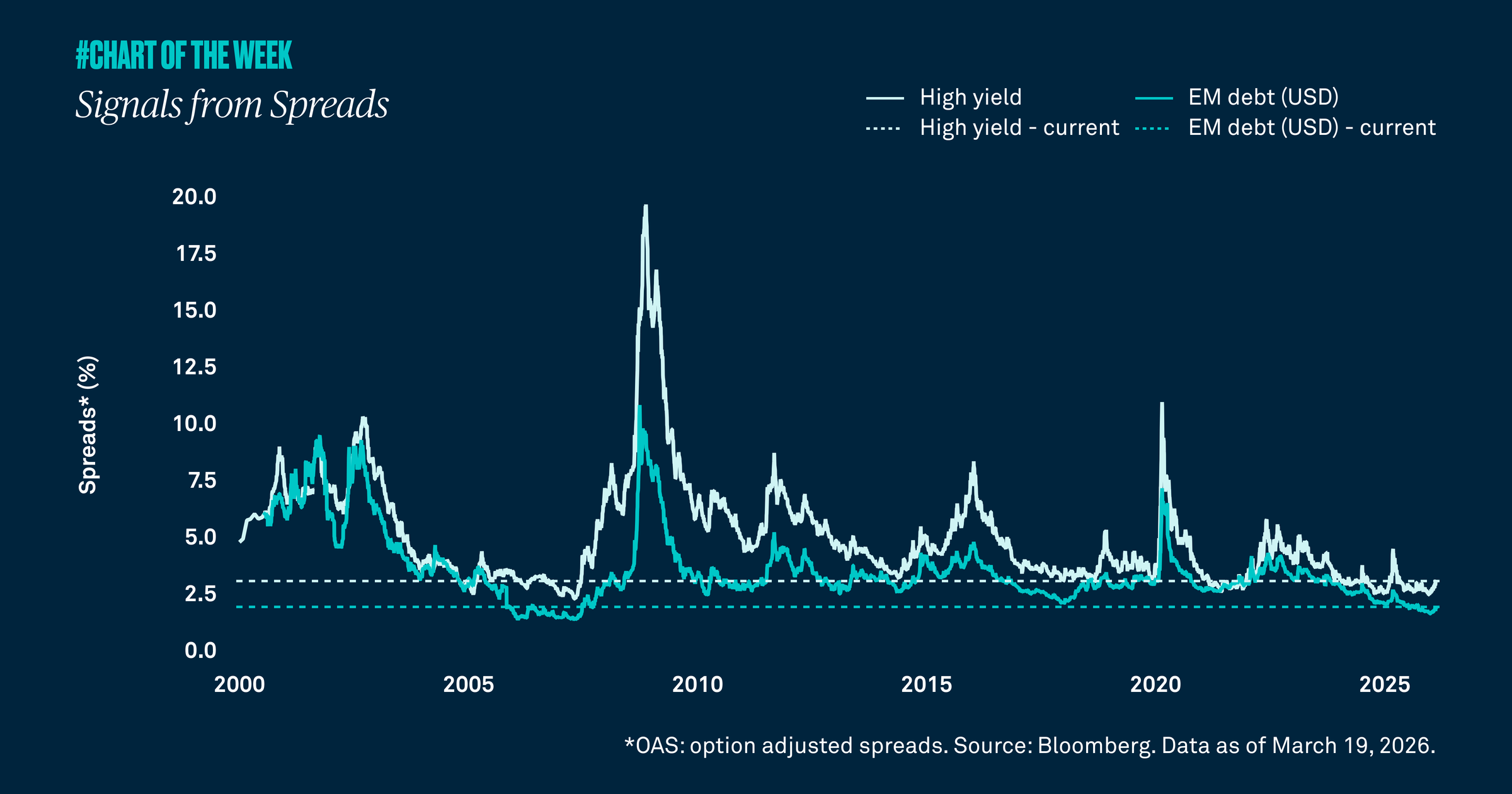

The Middle East conflict continues but key credit spreads remain relatively subdued. Historically, rising credit spreads signal greater risk aversion and concerns about slowing growth. A sustained widening would indicate more persistent growth concerns.

Similar to the equity market, credit spreads suggest the conflict will likely be short-lived. Though U.S. high yield spreads rose 55 basis points (bps) and emerging market debt spreads increased 30 bps in the last two months, these levels are historically low. We agree with the market and believe the oil shock will be temporary. While recent developments from President Trump on potential negotiations could be positive, the situation remains dynamic, and we’ll continue to watch whether credit spreads widen further.
VERWANDTE THEMEN
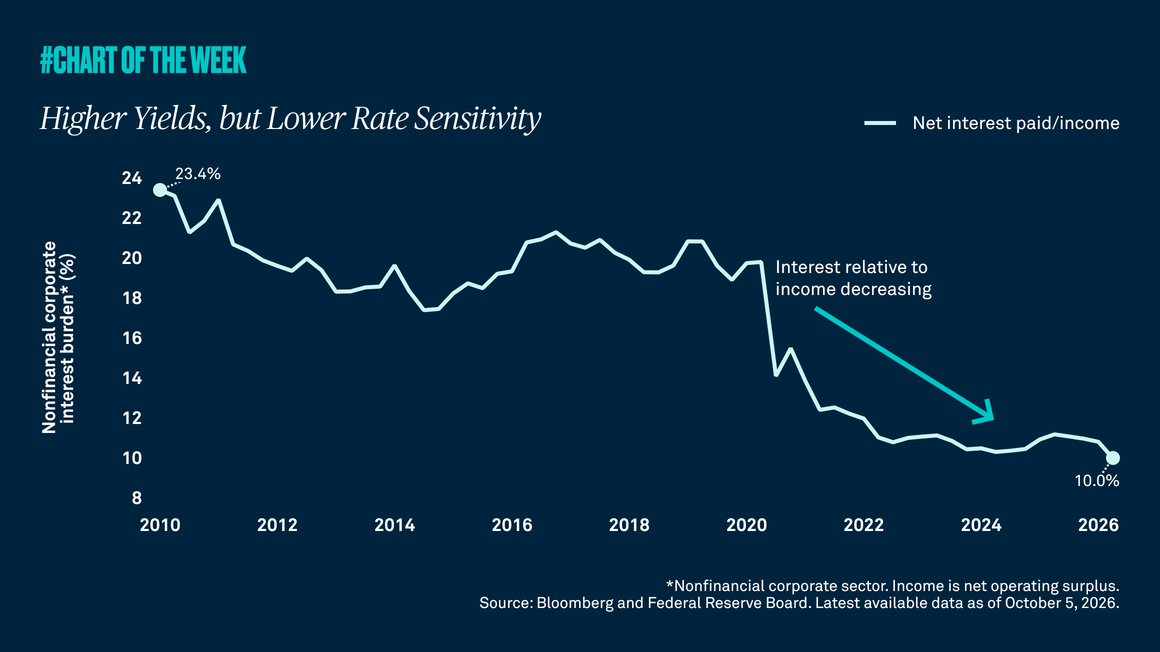
Higher yields, but lower sensitivity
Chart of the Week | Makroökonomisch

Higher interest rates have become a frequently cited risk to corporate earnings and the economy. The conventional thinking is straightforward: when borrowing costs rise, companies face higher interest expenses, profits come under pressure, and economic growth slows. While there is truth to that relationship, the current cycle may differ from investors’ expectations.

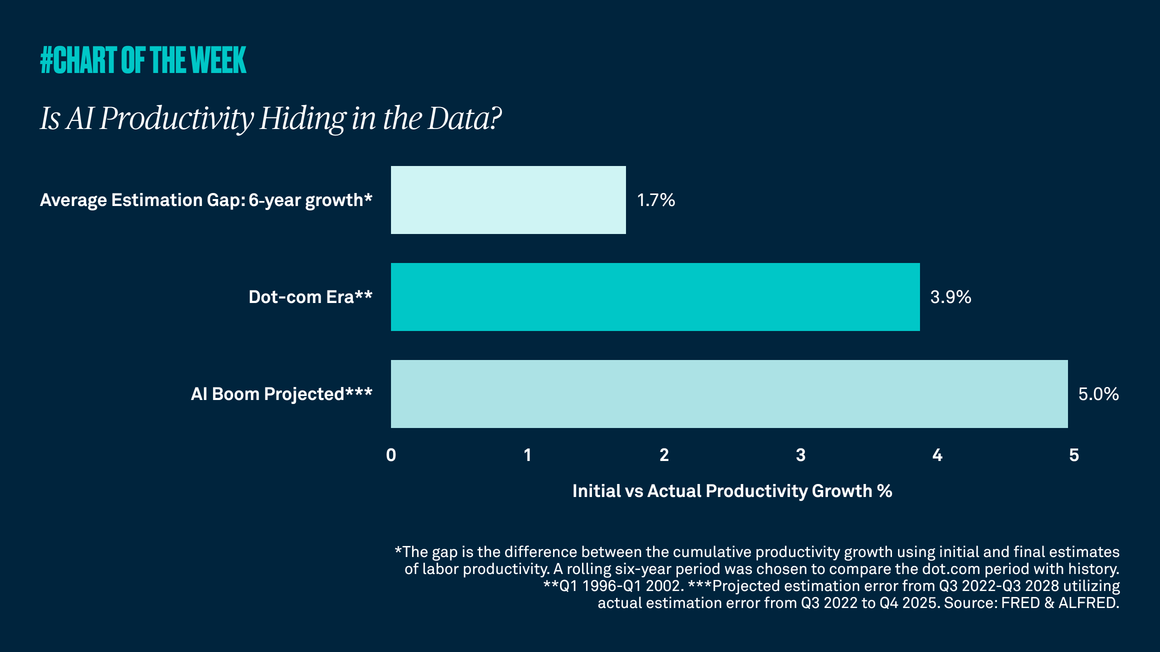
Is AI productivity hiding in the data?
Chart of the Week | Makroökonomisch

Both the dot-com era and the rise of artificial intelligence suggest that early productivity data can understate the actual economic impact of transformative technologies. In the case of the internet, later revisions to productivity gains surpassed early estimates. The same may prove true for AI, implying stronger support for growth.

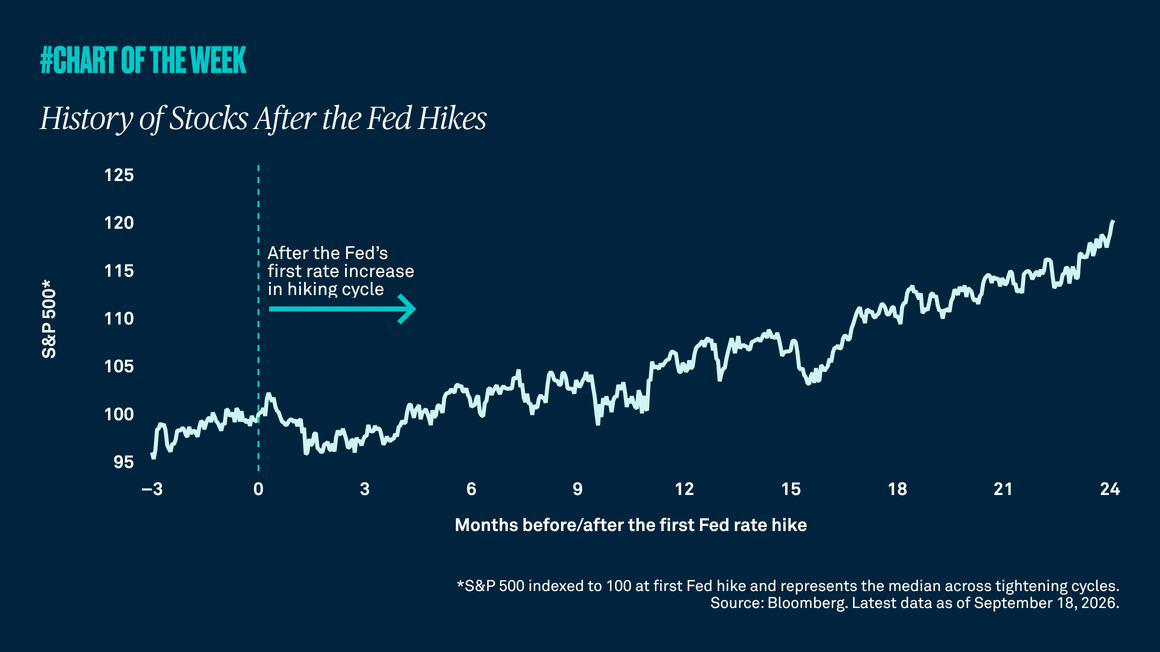
History of stocks after the fed hikes
Chart of the Week | Makroökonomisch

Sticky inflation and resilient growth have revived monetary tightening, increasing the risk of higher-for-longer rates and near-term volatility. We continue to believe economic resilience and strong corporate profits should continue to provide a favorable backdrop for stocks, and would use periods of market weakness to add selectively to equities. Additionally, owning real assets can help hedge against inflation.

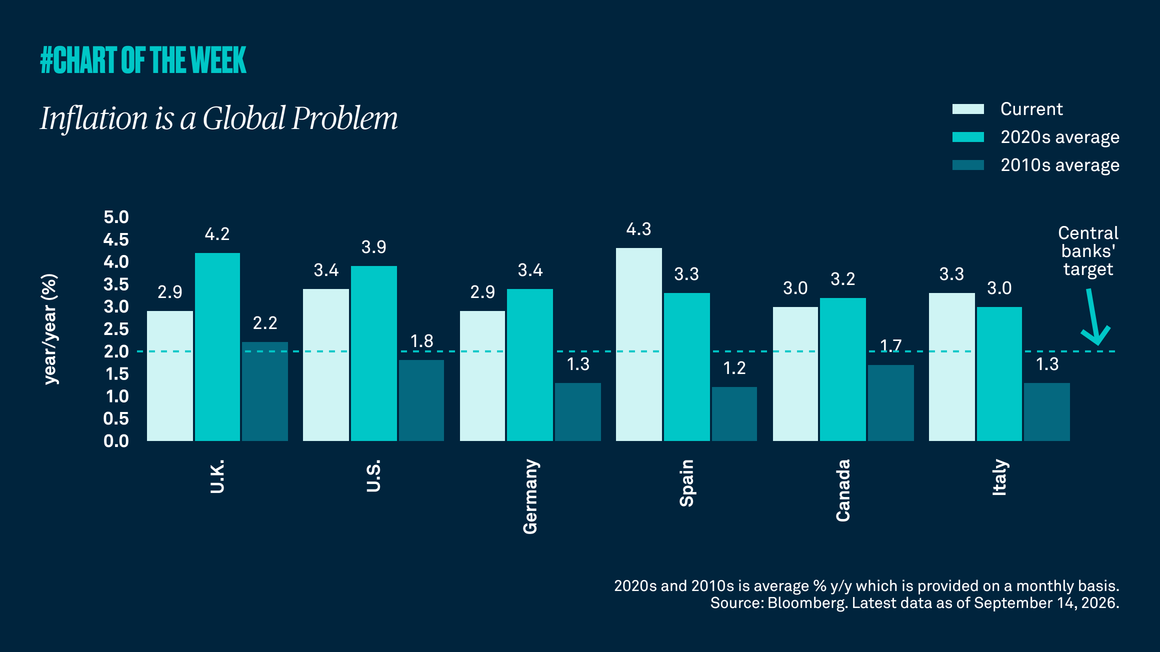
Inflation is a global problem
Chart of the Week | Makroökonomisch

Resilient economic growth, sticky inflation driven by higher energy prices and continued geopolitical uncertainty are complicating the path back to central-bank price targets. We believe policymakers are likely to adopt a tightening bias but remain data dependent.

Gathering data
Disclaimer Not Available

Dies ist eine Marketingkommunikation